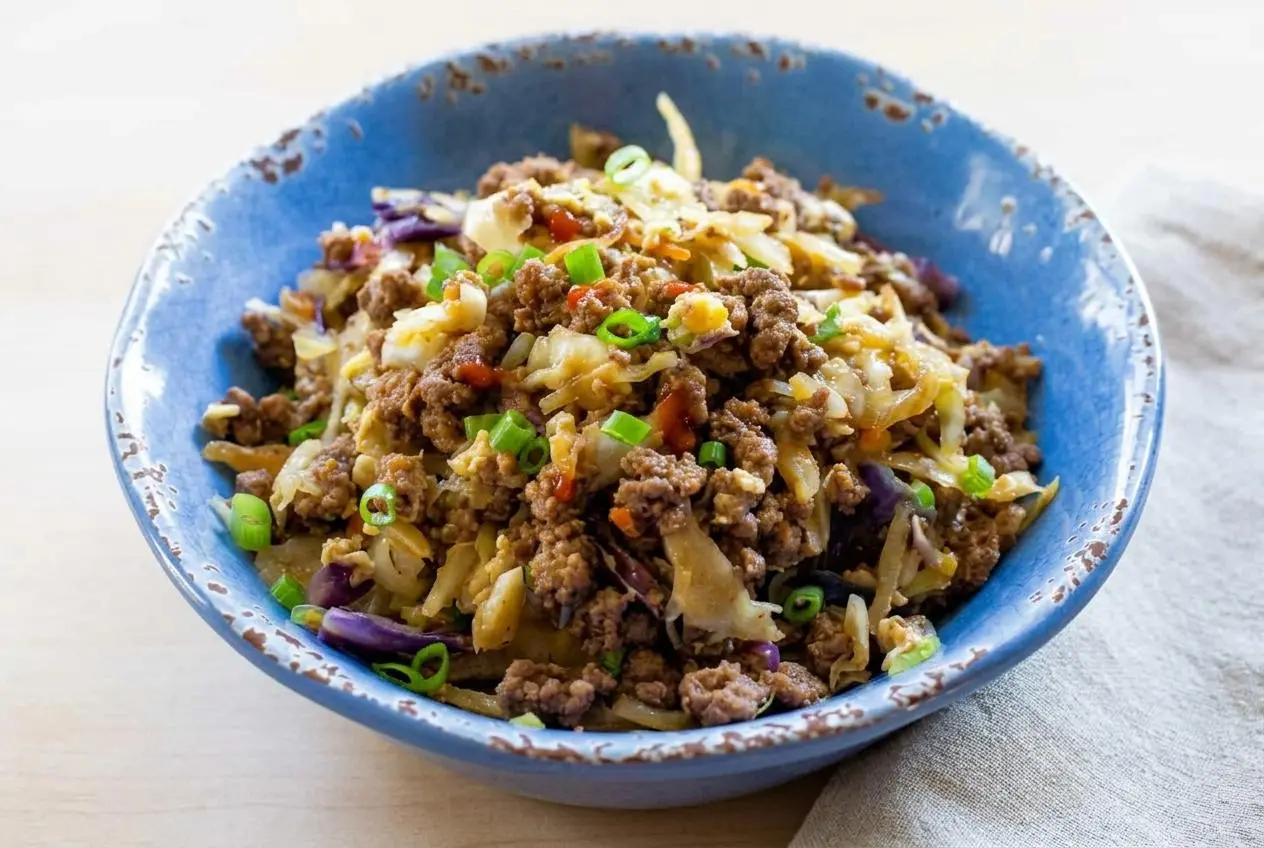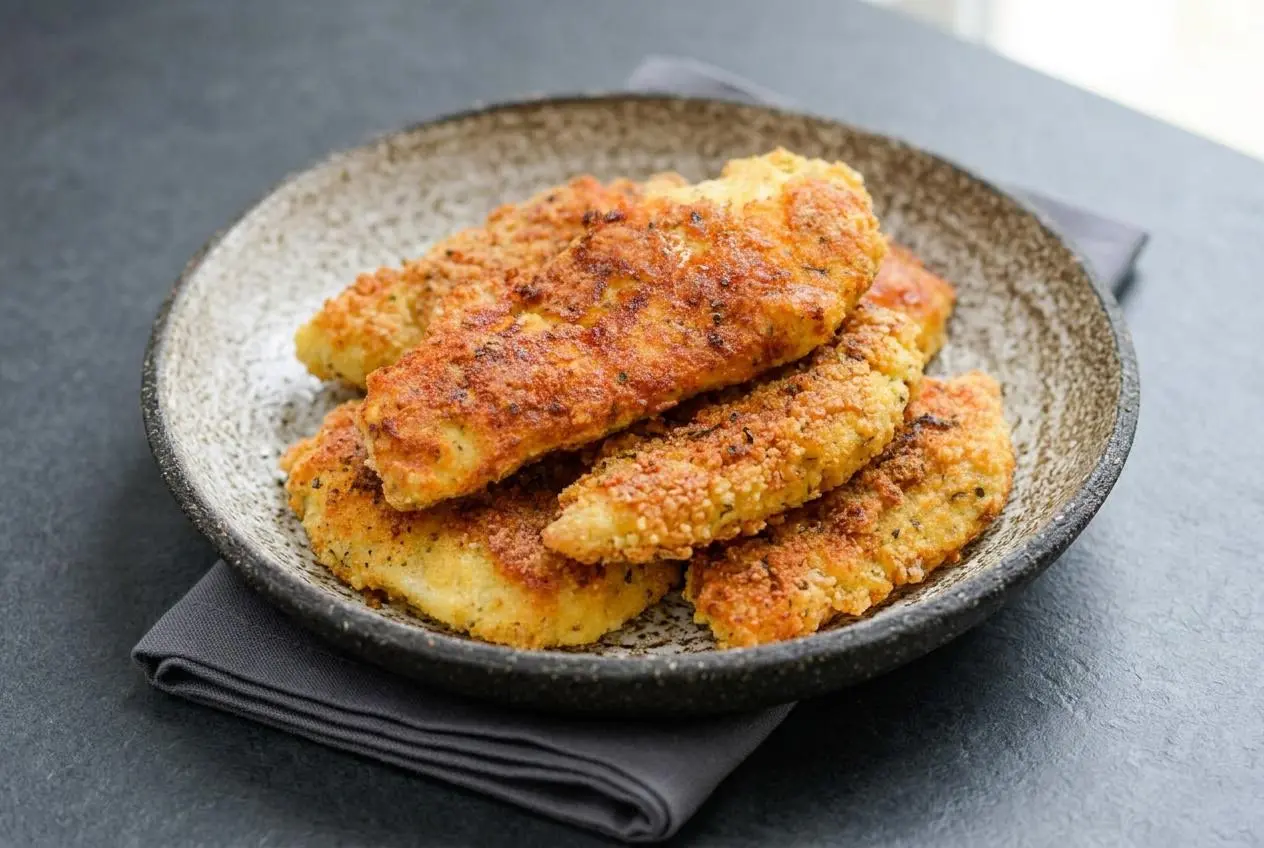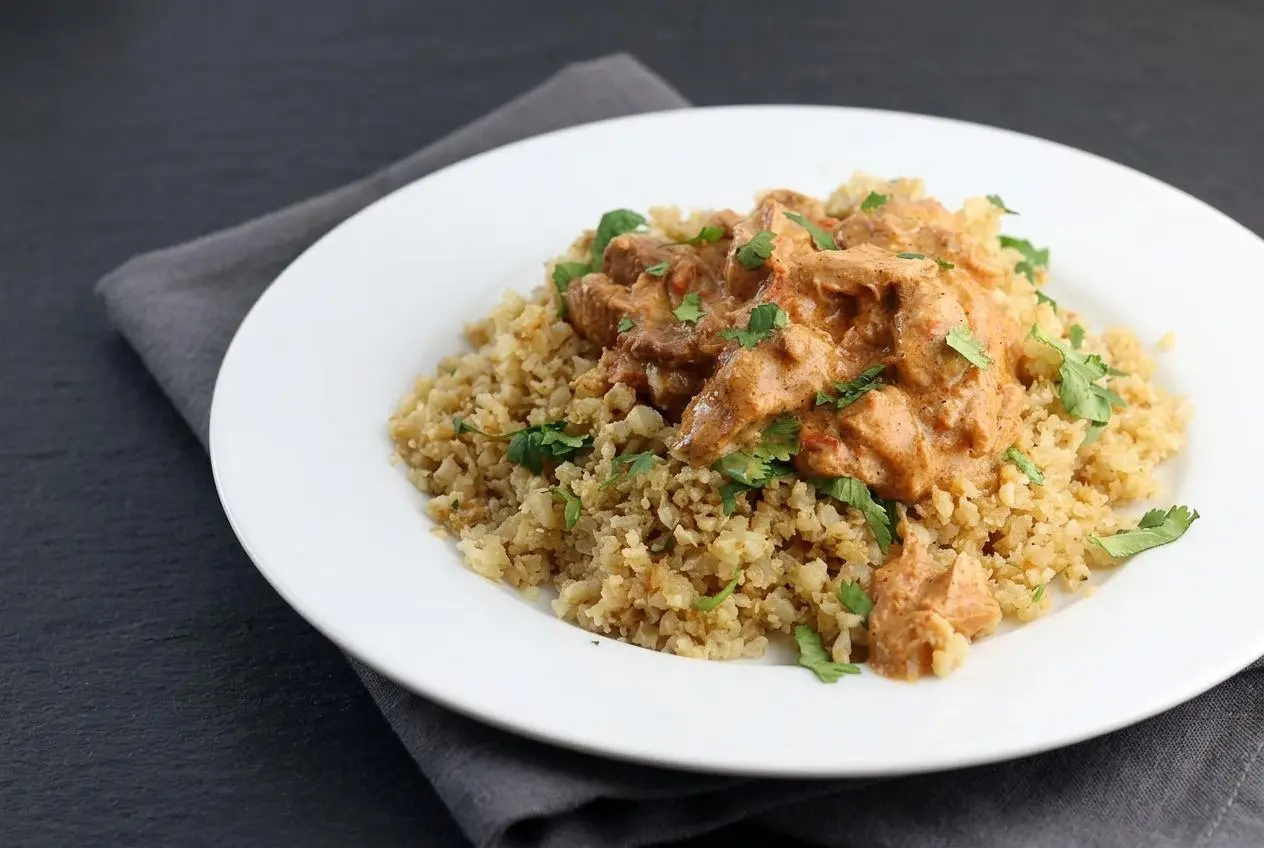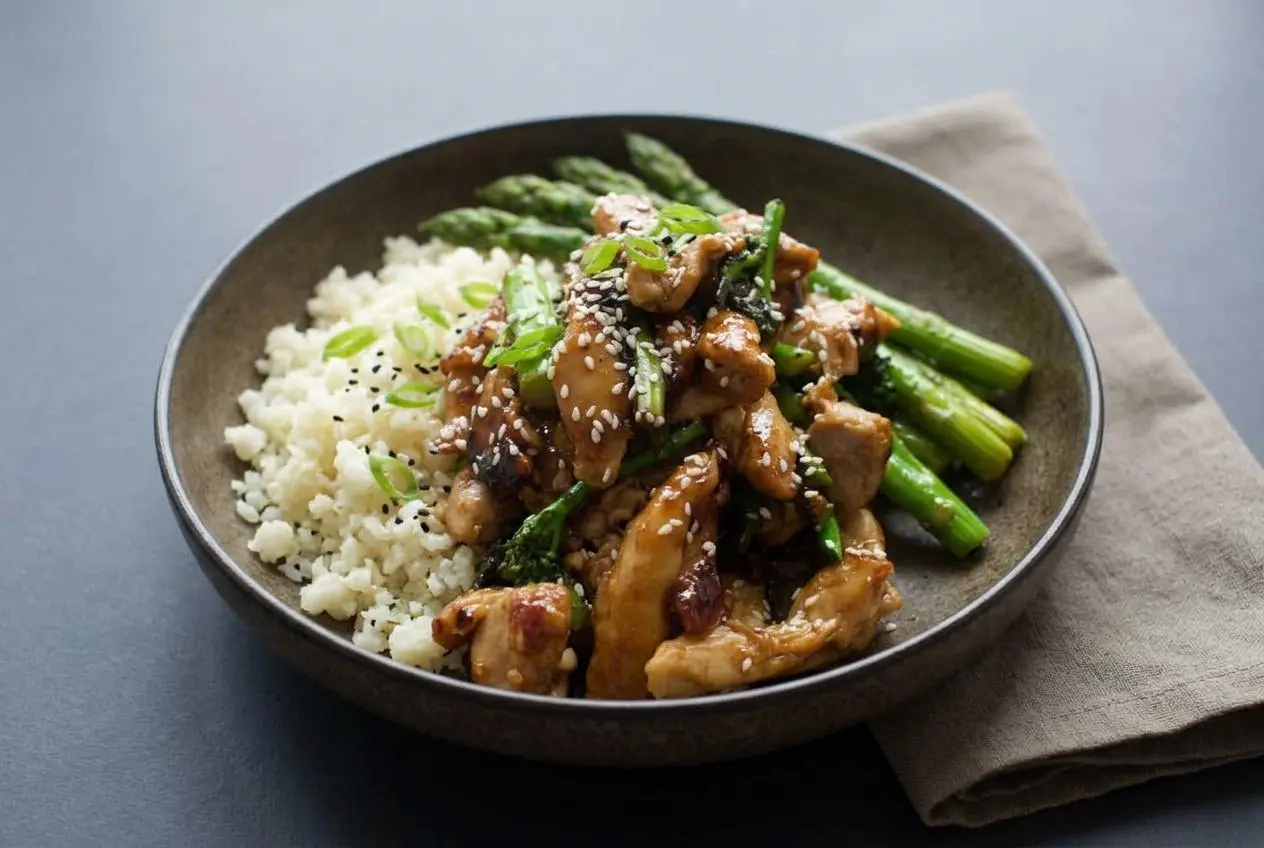
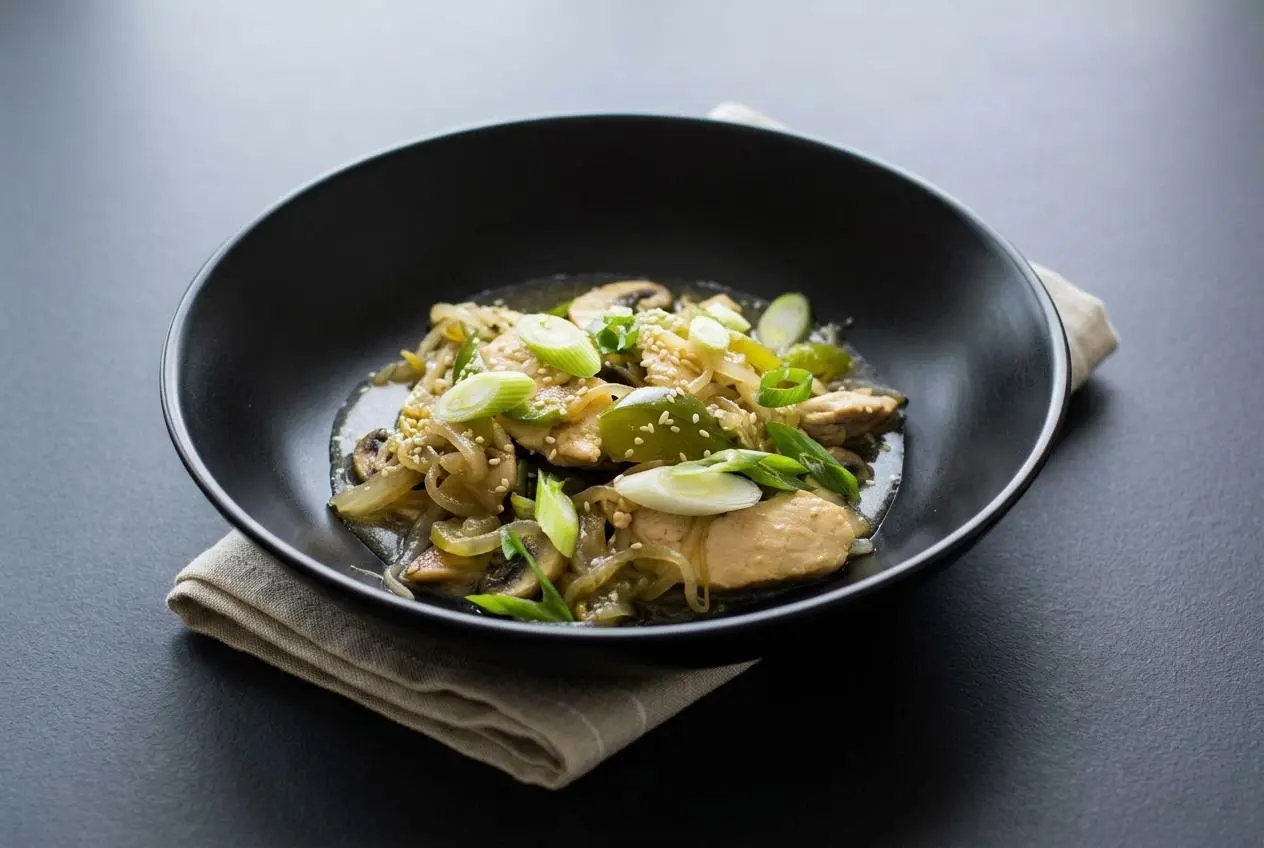
This keto chicken stir fry is ready in 20 minutes and has about 11 g total carbs and 8 g net carbs per serving, with tender chicken, crisp vegetables, and a savory sauce that stays low carb.
Keto chicken stir fry is a fast skillet dinner built around thin chicken strips, mushrooms, celery, bean sprouts, and a soy sauce or coconut aminos base. It hits that takeout-style craving without the usual sugary sauce or starchy thickener.
You’ll like how quickly it cooks and how much texture it keeps when the pan stays hot. The best part is the crisp bean sprouts at the very end.
Have every vegetable sliced before the oil hits the wok, because this moves fast once the sizzling starts.
Why Stir Fry Is Perfect for Keto
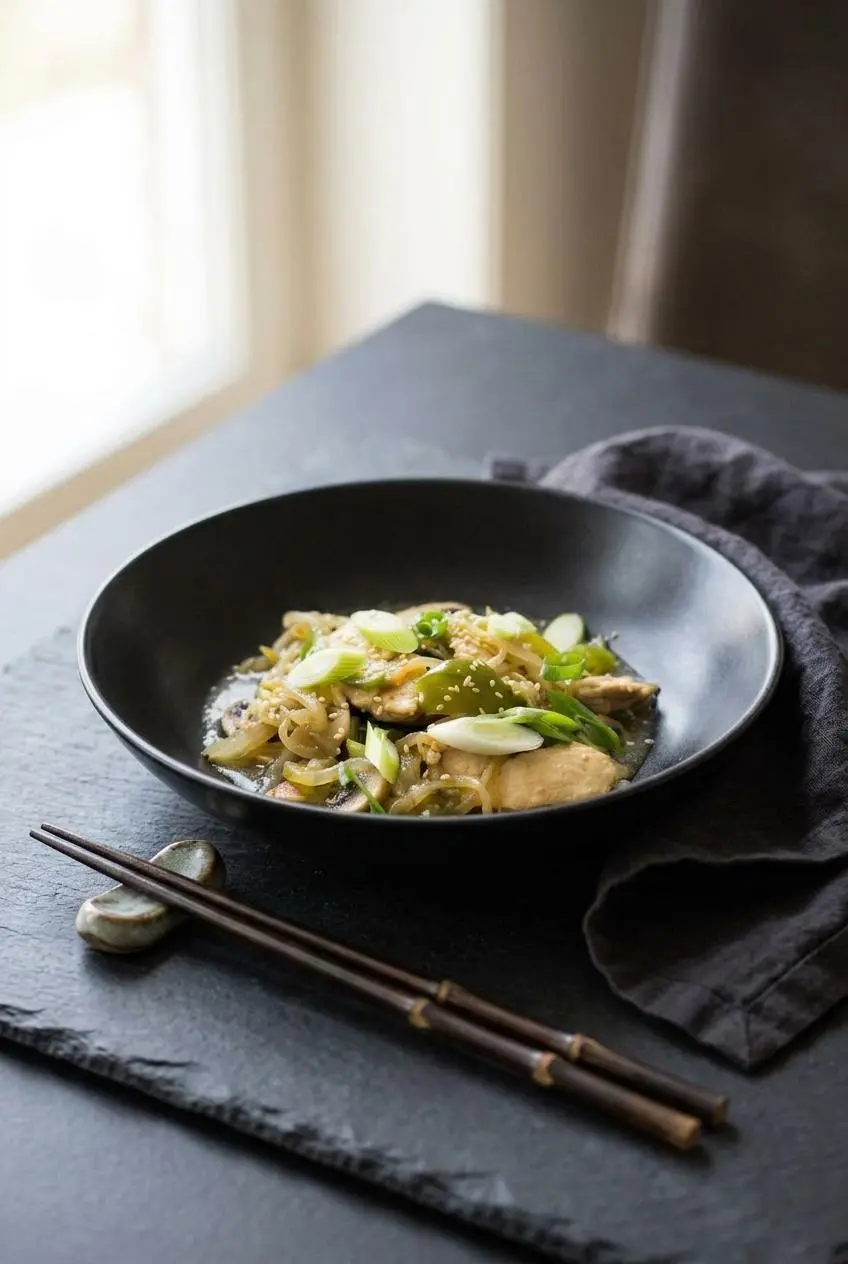
Stir fry works beautifully for keto because it gives you lots of flavor without depending on breading, sugar, or heavy starches. You can build the whole meal around protein, high-heat oil, and low carb vegetables, then keep the sauce focused and savory.
It also makes carb tracking easier. This recipe lands at about 11 g total carbs and 8 g net carbs per serving, so it fits neatly into a low carb dinner plan while still feeling like a real meal instead of “diet food.”
High heat matters here. A hot wok or skillet helps the chicken sear before it dries out and keeps the vegetables crisp-tender instead of limp. That fast cooking also helps mushrooms, celery, and peppers keep better texture and cleaner flavor.
Essential Ingredients for Keto Stir Fry
Each ingredient earns its place here, from the savory backbone of the sauce to the vegetables that bring crunch, moisture, color, and balance.
- 2 chicken breasts, sliced thinly
- 1/3 cup onion, sliced thinly
- 2 celery stalks, sliced
- 8 ounces mushrooms, sliced
- 2 cloves garlic, minced
- 3/4 cup low sodium chicken broth
- 1/4 cup soy sauce or coconut aminos
- 3 cups bean sprouts
- 1/2 cup green bell pepper, sliced
- 2 tbsp green onion, sliced
- 1 tbsp sesame seeds
- 2 tbsp avocado oil
Chicken breast cooks quickly when sliced thin and gives the dish its lean, satisfying bite. Celery stays snappy, mushrooms add savory depth, and bean sprouts bring that fresh crunch that makes stir fry taste alive instead of heavy. Coconut aminos are a great soy-free, gluten-free option if that fits your keto style.
I always look for firm, crisp bean sprouts and wipe mushrooms with a damp towel instead of rinsing them, because waterlogged mushrooms can make the whole pan go steamy fast.
The Right Oil for Stir-Frying
Avocado oil is ideal here because it handles high heat well and has a neutral flavor. When the oil is ready, it should look loose and glossy in the pan, and you should hear a sharp sizzle as soon as the chicken hits the surface. If the oil starts smoking hard, back off the heat slightly and keep moving.
Keto-Friendly Vegetables
The vegetables in this stir fry do more than fill space. They keep the dish bulky, crunchy, and satisfying without loading it with carbs.
- Mushrooms are low in net carbs and add meaty, savory flavor while soaking up the sauce.
- Celery is very low in net carbs and stays crisp even under high heat, which gives the stir fry structure.
- Bean sprouts are also low in net carbs and add fresh crunch if you toss them in only at the end.
If you want another crunchy vegetable for a future keto meal, low-carb green beans are another good way to keep that snap and bite on the plate.
Step-by-Step Keto Chicken Stir Fry Instructions
- Slice the chicken breasts very thinly, then toss the strips with the soy sauce or coconut aminos in a bowl.
The thin pieces cook fast and evenly, and a brief coating helps season the meat before it ever reaches the pan. - Prepare the onion, celery, mushrooms, and garlic before you start cooking.
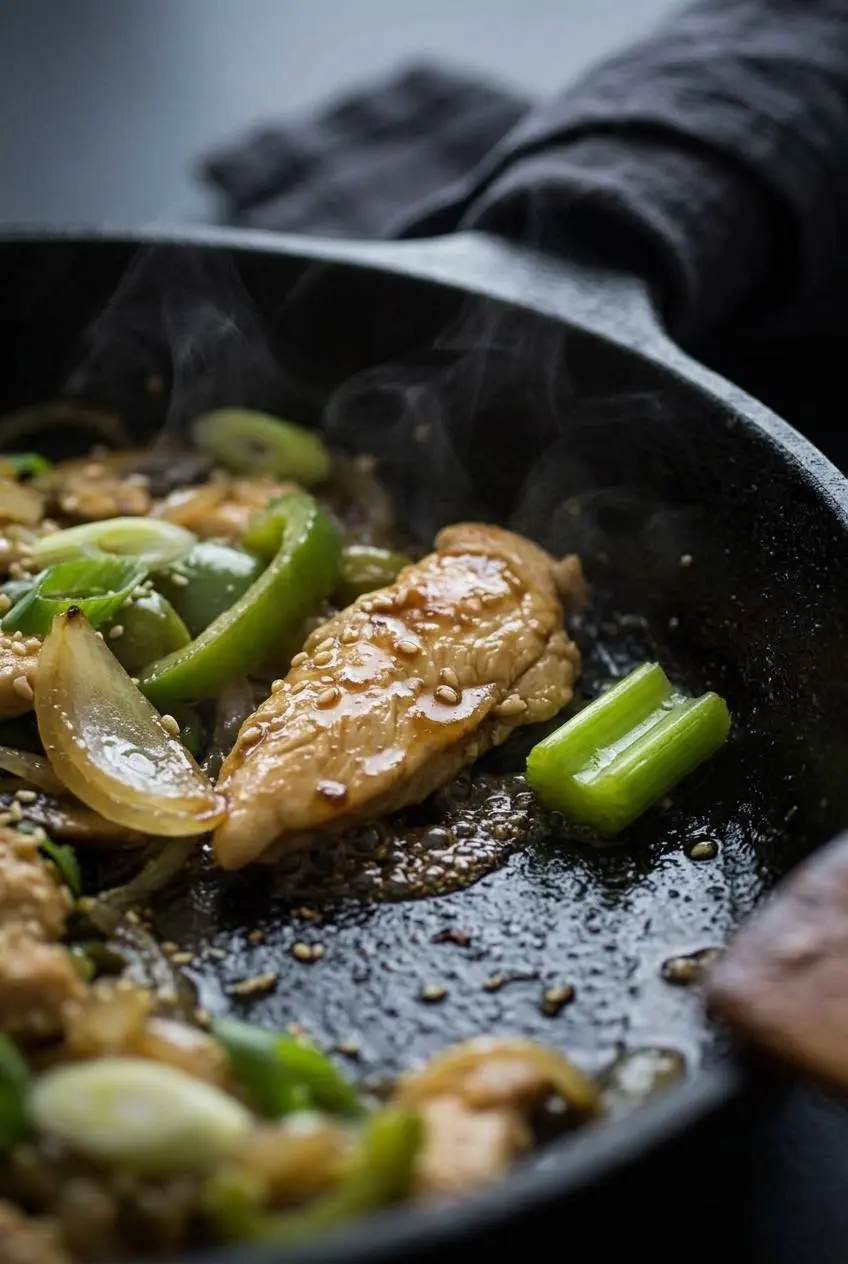
Once the wok or skillet is hot, you’ll want everything within reach so the ingredients sear instead of sitting and softening. - Heat 1 tbsp of avocado oil in a wok or large skillet over high heat until it looks fluid and shimmery, then add the chicken.
The pan should sound lively, and the chicken should turn opaque with light browning before you transfer it out with its juices. - Add the remaining 1 tbsp avocado oil, then stir fry the mushrooms, onion, and celery over high heat until tender.
They should lose their raw edge while still keeping some bite, then the garlic goes in for 1 minute until fragrant. - Move the vegetables out of the pan, then pour in the chicken broth along with any juices released by the chicken and vegetables.
Let it boil for 1 to 2 minutes so the liquid reduces slightly and the flavor tastes more concentrated. - If you want a thicker sauce, skip the usual starch and use a keto method instead.
The easiest approach is to reduce the broth a little more, or whisk in a low carb thickener as described below so the sauce turns lightly glossy rather than pasty. - Return the chicken and cooked vegetables to the pan, then add the bean sprouts and green bell pepper and toss over high heat for 1 to 2 minutes.
The bean sprouts should soften just slightly while still snapping, and the chicken should be cooked through to 165 °F for all poultry. - Taste and add salt and pepper if needed.
The broth and sauce can vary in saltiness, so adjust only after everything is back together in the pan. - Finish with green onion and sesame seeds, then serve right away.
The top should look glossy and fresh, with steam rising and the vegetables still clearly defined instead of slumped.
Two small technique details make a big difference here. First, semi-frozen chicken is easier to slice into even strips, which helps it cook fast without turning dry or rubbery. Second, searing the chicken first and removing it protects tenderness while the vegetables get their own time in the pan.
If you want a deeper toasted flavor, you can add a dash of toasted sesame oil and a pinch of ground ginger to the chicken marinade as an optional variation. Keep it light so it boosts the sauce instead of taking over.
How to Thicken Stir Fry Sauce Without Carbs
This is the spot where many stir fries drift out of keto territory. Traditional cornstarch works, but it adds carbs you don’t really need when the goal is a glossy sauce, not gravy.
The simplest method is reduction. Let the broth boil over high heat for a minute or two so some water cooks off and the savory flavor tightens up naturally. This keeps the sauce clean and light.
Xanthan gum is the most practical keto thickener for this kind of dish. Use only a tiny amount, about 1/4 teaspoon, and mix it first with a little oil before whisking it into the hot liquid. That small step helps prevent clumps, which is the whole game with xanthan gum.
Glucomannan powder also works well if you keep it optional and use it carefully. Like xanthan gum, it needs to be dispersed properly before it hits the hot liquid, or you can end up with little gummy bits instead of a smooth sauce.
- For the cleanest texture, reduce the broth first and thicken only if you still want more body.
- For the quickest glossy finish, use a tiny amount of xanthan gum mixed with oil.
- For another low carb option, use glucomannan powder in the same careful way, never dumped straight into hot broth.
Troubleshooting and Prep Tips
Most stir fry problems come down to heat, moisture, or timing. A few small adjustments can keep the pan hot and the vegetables crisp.
- Watery stir fry: This usually comes from wet vegetables or a crowded skillet. Dry the vegetables well after washing, cook in batches if needed, and let the broth reduce quickly before everything goes back in.
- Rubbery chicken: This happens when the strips are too thick or stay on the heat too long. Slice the chicken thinly, preferably while it is still a bit firm from the freezer, and pull it out as soon as it loses its raw look.
- Soggy bean sprouts: They went in too early. Add them at the very end so they warm through and soften slightly while keeping that fresh crunch.
- Steamed instead of seared vegetables: The pan was not hot enough before the oil went in, or there was too much food in it. Let the wok fully heat first, then add oil, and keep the ingredients moving over high heat.
- Sauce too thin: Scoop the solids out for a moment if needed, then boil the liquid hard for a brief reduction. If you still want more thickness, whisk in a tiny amount of xanthan gum mixed with oil.
- Sticking: The pan may have cooled from overcrowding. Cook in smaller batches so the ingredients hit hot metal and release more cleanly.
Storage, Reheating, and Meal Prep Guidelines
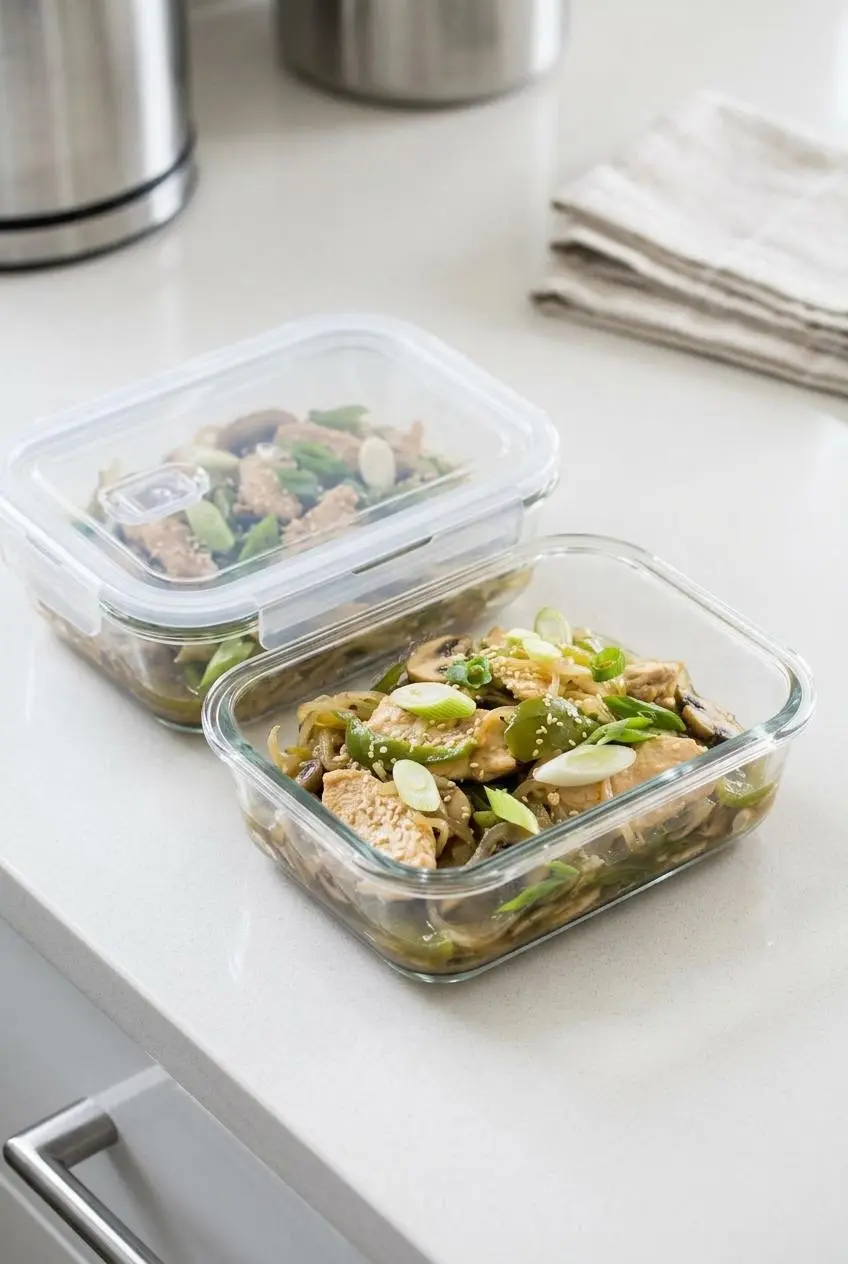
Leftovers hold up best when cooled and packed promptly in airtight containers. This dish can be refrigerated for up to 3 days, and the USDA also recommends keeping cooked leftovers properly chilled and reheating them thoroughly for food safety through safe food handling and preparation for leftovers.
For reheating, a hot skillet is your friend. Warm it quickly over medium-high to high heat just until the chicken is heated through and the vegetables wake back up. The microwave works in a pinch, but it tends to soften the celery and bean sprouts more than you want.
If you like meal prep but want a better texture than reheated stir fry sometimes gives, keto chicken pinwheels are a handy cold lunch option for busy weekdays.
Freezing is not the best move for this one. Bean sprouts and celery release too much water after thawing, so the final texture turns limp instead of crisp.
Low-Carb Protein Variations
The base method is flexible, so you can change the protein or add a noodle-style vegetable without rebuilding the whole recipe.
Keto Beef and Broccoli Stir Fry
Swap the chicken for thinly sliced flank steak or sirloin if you want a richer, beefier version. Use fresh broccoli florets in place of the bean sprouts, and cook the beef very quickly over high heat since it needs less time than chicken to stay tender.
For an even juicier chicken version, boneless chicken thighs also work as an optional swap. They bring a bit more fat and stay forgiving in a very hot pan.
Keto Chicken and Zoodle Stir Fry
If you want a noodle-like feel, add spiralized zucchini at the very end and toss it only briefly. Zoodles release water fast, so they need just enough time to warm and coat with sauce, not enough time to slump.
If you bought extra zucchini, keto zucchini lasagna is another satisfying way to use it in a low carb dinner.
Conclusion
This stir fry earns its place on a weeknight because it’s fast, savory, and built from ingredients that stay keto friendly without feeling skimpy. High heat, dry vegetables, and late-added bean sprouts are the big texture wins.
Keep the pan hot, keep the sauce light, and dinner will taste fresh instead of heavy. Once you get that rhythm down, this one becomes an easy repeat.
Frequently Asked Questions
How Many Carbs Are in Keto Chicken Stir Fry?
One serving has approximately 11 g total carbs. Net carbs are about 8 g per generous 1.5-cup serving. That estimate can shift slightly depending on whether you use soy sauce or coconut aminos.
What Can I Use Instead of Cornstarch to Thicken the Sauce?
Use about 1/4 teaspoon of xanthan gum for a keto-friendly thickener. Mix it with a little oil first so it blends smoothly instead of clumping. You can also reduce the broth over high heat for a naturally thicker sauce.
Is Soy Sauce Allowed on a Strict Keto Diet?
Regular soy sauce is generally low in carbs, so many keto eaters use it. For a stricter soy-free and gluten-free option, coconut aminos are the better fit. Coconut aminos taste a little milder and slightly sweeter, so the sauce comes out softer and rounder.
Can You Freeze Keto Chicken Stir Fry?
It’s not recommended for the best texture. Bean sprouts and celery lose their crunch and release water after thawing. If you want the dish ahead, prepping the vegetables and slicing the chicken is a better plan than freezing the cooked stir fry.
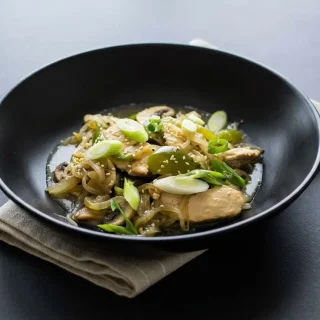
Keto Chicken Stir Fry

Equipment
- Wok or large skillet
- Sharp chef knife
- Sturdy cutting board
Ingredients
- 2 chicken breasts sliced thinly
- 1/3 cup onion sliced thinly
- 2 stalks celery sliced
- 8 ounces mushrooms sliced
- 2 cloves garlic minced
- 3/4 cup low sodium chicken broth
- 1/4 cup soy sauce or coconut aminos
- 3 cups bean sprouts
- 1/2 cup green bell pepper sliced
- 2 tbsp green onion sliced
- 1 tbsp sesame seeds
- 2 tbsp avocado oil
Instructions
- Slice the chicken breasts very thinly, then toss the strips with the soy sauce or coconut aminos in a bowl. The thin pieces cook fast and evenly, and a brief coating helps season the meat before it ever reaches the pan.
- Prepare the onion, celery, mushrooms, and garlic before you start cooking. Once the wok or skillet is hot, you’ll want everything within reach so the ingredients sear instead of sitting and softening.
- Heat 1 tbsp of avocado oil in a wok or large skillet over high heat until it looks fluid and shimmery, then add the chicken. The pan should sound lively, and the chicken should turn opaque with light browning before you transfer it out with its juices.
- Add the remaining 1 tbsp avocado oil, then stir fry the mushrooms, onion, and celery over high heat until tender. They should lose their raw edge while still keeping some bite, then the garlic goes in for 1 minute until fragrant.
- Move the vegetables out of the pan, then pour in the chicken broth along with any juices released by the chicken and vegetables. Let it boil for 1 to 2 minutes so the liquid reduces slightly and the flavor tastes more concentrated.
- If you want a thicker sauce, skip the usual starch and use a keto method instead. The easiest approach is to reduce the broth a little more, or whisk in a low carb thickener as described below so the sauce turns lightly glossy rather than pasty.
- Return the chicken and cooked vegetables to the pan, then add the bean sprouts and green bell pepper and toss over high heat for 1 to 2 minutes. The bean sprouts should soften just slightly while still snapping, and the chicken should be cooked through to 165 °F for all poultry.
- Taste and add salt and pepper if needed. The broth and sauce can vary in saltiness, so adjust only after everything is back together in the pan.
- Finish with green onion and sesame seeds, then serve right away. The top should look glossy and fresh, with steam rising and the vegetables still clearly defined instead of slumped.