 Skip to content
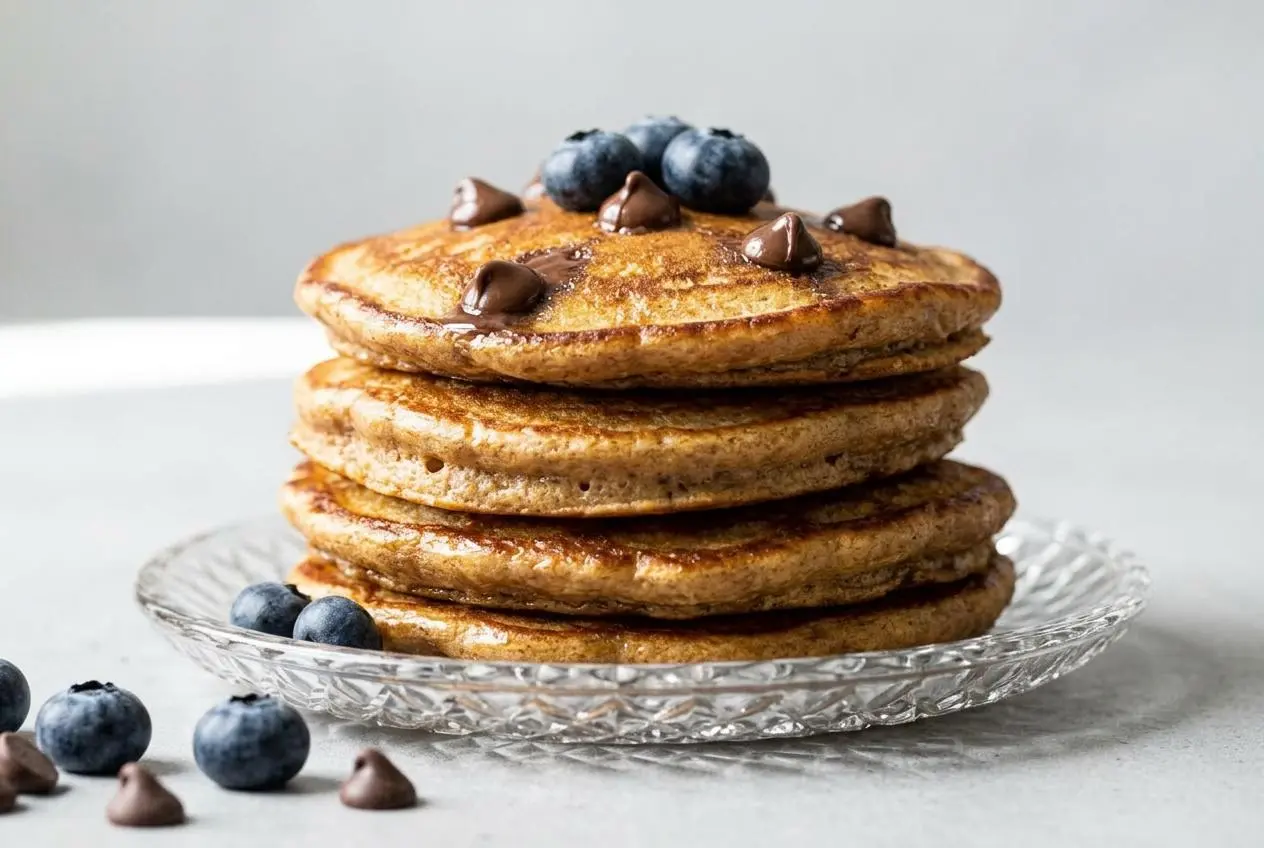
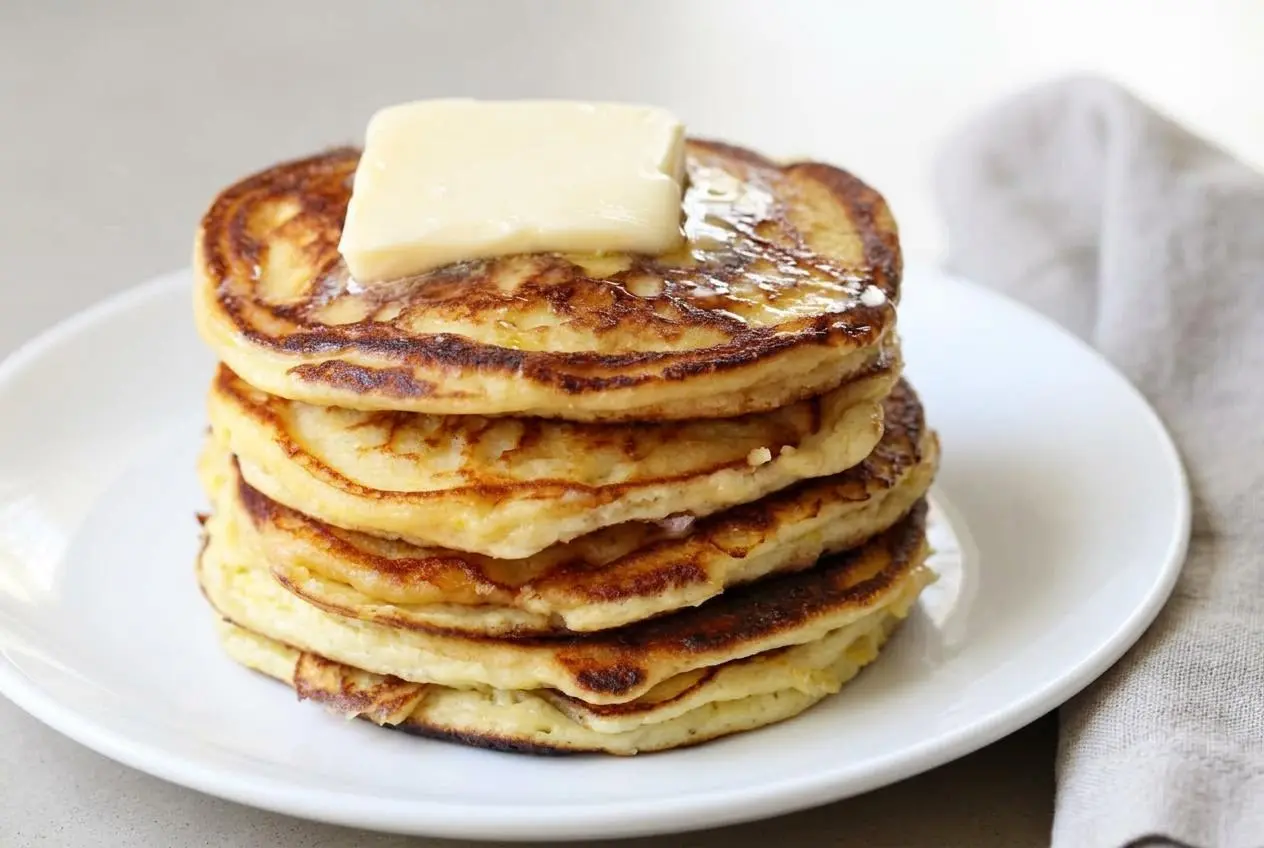
Keto Peanut Pancakes are quick, fluffy, and tender pancakes made with a flourless nut butter batter. The main version uses 3 core ingredients and cooks fast, making it a great low-carb breakfast when you want pancakes without a lot of work.
These pancakes land somewhere between classic pancakes and a soft peanut butter crepe, in the best way. They taste nutty, cook in about 15 minutes, and feel surprisingly satisfying for such a small batter.
If you want the fluffiest texture, the trick is simple. Whip the egg until it looks pale and foamy.
Keep the pancakes small and the heat steady, because this batter cooks faster than standard pancake batter.
Why You’ll Love These Keto Peanut Pancakes
- They’re ready in about 15 minutes, so they fit real weekday mornings.
- The main version is flourless and naturally gluten-free.
- The texture is fluffy, tender, and slightly delicate instead of heavy.
- The nut butter brings both structure and rich peanut flavor.
- You can keep them plain or dress them up with berries, syrup, or melted nut butter.
- They make a sweet breakfast option when you want a break from a savory breakfast burger.
Ingredients for Keto Peanut Pancakes
Each ingredient pulls its weight here, building structure, lift, moisture, and that warm nutty flavor that makes these pancakes actually taste like breakfast and not a compromise.
For the flourless keto pancakes
- 1 egg
- 1/4 teaspoon baking powder
- 2 tablespoons salted almond butter, peanut butter, or other nut butter of choice
Optional add-ins
- 1/2 teaspoon vanilla extract
- chocolate chips or chunks
- banana extract
- blueberries
The nut butter is the flourless base, so it does the job that flour usually would. It gives the batter body, adds richness, and brings most of the flavor. Eggs bind everything together and, when well whipped, trap air that helps the pancakes stay light instead of dense. Baking powder adds extra lift so the centers don’t feel flat.
If you like sweeter pancakes, you can whisk in a keto-friendly sweetener with the baking powder and vanilla. Optional add-ins shift the flavor more than the structure, so they’re best kept light handed.
I really like using a salted natural peanut butter here, because it gives the batter better flavor balance right away and saves you from pancakes that taste oddly flat.
How to Make Keto Peanut Pancakes
This is the core flourless method. The batter should look loose, the pancakes should stay small, and the flip should happen only after the surface shows clear bubbles.
- Plan on one batch making 3 small pancakes or 2 normal-sized pancakes, and scale up if needed.
The smaller size matters because this batter is delicate and much easier to flip cleanly. - Whisk the egg in a medium bowl for 1 to 2 min until it turns pale and foamy, then mix in the baking powder, the vanilla extract if using, and sweetener if you want a sweeter pancake.
The egg should look lighter and a bit frothy, which means you’ve added air for a fluffier texture. - Whisk in the nut butter until the batter is completely smooth.
It should look runny, almost like heavy cream, and that loose texture is normal for the flourless version. - Heat a nonstick skillet over medium heat and add a small pad of butter or a little oil, then spoon in about 2 scant tablespoons of batter per pancake.
Keep the pancakes around 2 to 3 inches wide so they hold together better when you turn them. - Cook over medium heat until the edges look set and bubbles appear across the surface, then flip and cook the second side until lightly golden.
These brown quickly, so watch closely and test one first if your stove runs hot. - Serve the pancakes right away with any toppings you like.
They’re best when warm, soft, and freshly cooked.
Comparing Pancake Bases: Flourless vs. Low-Carb Flours
If you’re wondering what to use instead of flour for keto pancakes, nut butter is the quickest answer, but it’s not the only one. Each base gives you a different texture, flavor, and level of sturdiness.
The 3-Ingredient Flourless Method (Quickest & Easiest)
This is the main recipe above, and it’s the fastest route to pancakes. The batter is thin, the flavor is rich and nutty, and the finished pancakes are tender with slightly delicate edges. If you want breakfast fast or you’re cooking for one, this method is hard to beat.
The Classic Almond Flour Method (Best Texture)
If you want something closer to a traditional pancake, almond flour is a good optional direction. Adding a few tablespoons of almond flour to this style of batter makes it thicker, more like cake batter, and gives the pancakes more structure with a less egg-forward taste.
That extra body helps with flipping, too. Just don’t overmix once almond flour goes in, or the batter can lose some lightness and bake up dense.
The Coconut Flour Method
Coconut flour works, but it behaves very differently. It absorbs liquid fast, so only a small amount is needed, and the batter thickens much more than the flourless version.
Expect a softer, denser pancake with a more compact crumb. If the batter sits and gets too thick, loosen it slightly before cooking rather than forcing thick scoops onto the pan.
Other High-Fiber Options
Flaxseed meal is another optional base if you like a heartier pancake. It adds fiber and gives a more grounded, rustic feel, though the texture is denser and a little grainier than the flourless or almond flour versions. If you enjoy creative keto breakfasts, these pancakes can also be turned into a low-carb pancake sandwich.
One more variation that works nicely is finely diced zucchini. It adds moisture and a little extra body without making the pancakes taste like vegetables, which is a neat trick for anyone who wants a softer center.
Tips for Perfect Pancakes Every Time
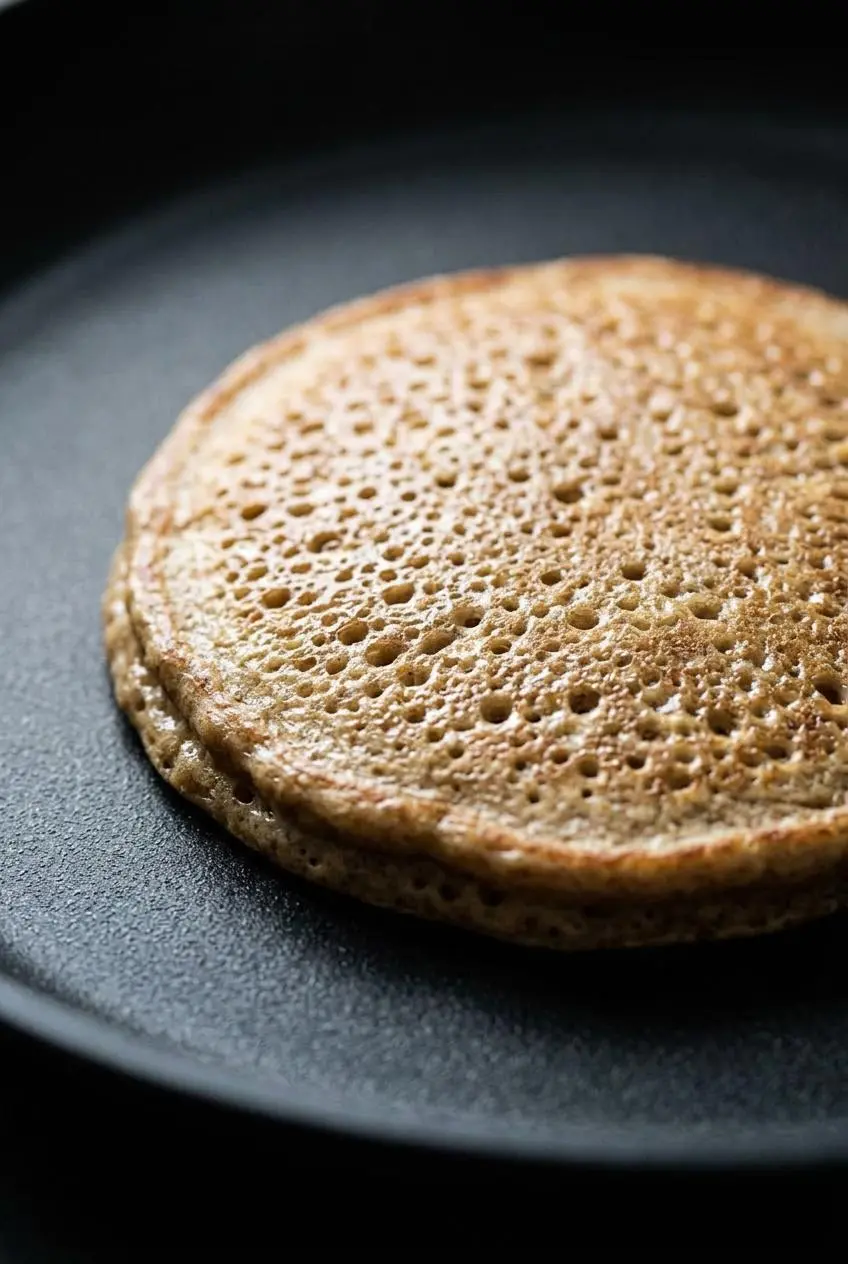
Keto pancakes can go wrong in very specific ways, so the best fixes are specific too. These are the details that make the difference between fluffy and frustrating.
- For fluffier pancakes: Whip the egg until pale and foamy before anything else goes in. That air is a big part of what keeps the pancakes light, and fresh baking powder helps the batter rise instead of sitting flat.
- To flip without breaking: Keep the pancakes small. Large flourless pancakes are fragile, while 2 to 3 inch pancakes are much easier to slide under and turn. If you want extra structure, you can mix in 1/2 teaspoon of psyllium husk powder with the dry ingredients.
- If they’re burning: Turn the heat down to medium-low. Nut butter batters brown fast because of their fat content, so the outside can darken before the middle sets.
- If the batter looks too thin: A runny batter is expected for the flourless version. Peanut butter usually makes a slightly thicker batter than almond butter, so a small natural difference is fine.
- If the batter looks too thick: Different nut butters vary a lot, especially natural ones. If the mixture feels more like paste than batter, use a little less nut butter next time for a lighter pancake.
- If the pancakes taste eggy: This usually happens when the egg isn’t balanced by enough flavor. Use a good peanut butter, and add vanilla or a pinch of cinnamon if you want the nutty flavor to come forward more clearly.
- If they’re crumbly: They may have been flipped too early or made too large. Wait until the edges are set and bubbles show across the top before turning them.
- If they’re bland: Unsalted peanut butter can mute the whole batter. A salted nut butter gives better balance unless you plan to season the batter yourself.
- If they stick: Use a well-heated nonstick skillet with a little butter or oil, and let the first side set properly before moving them. Ring molds can also help if you want thicker, neater rounds.
Using a blender is another easy trick when you want an ultra-smooth batter. It’s especially helpful with thicker natural peanut butters that don’t whisk in as quickly.
Storage and Reheating
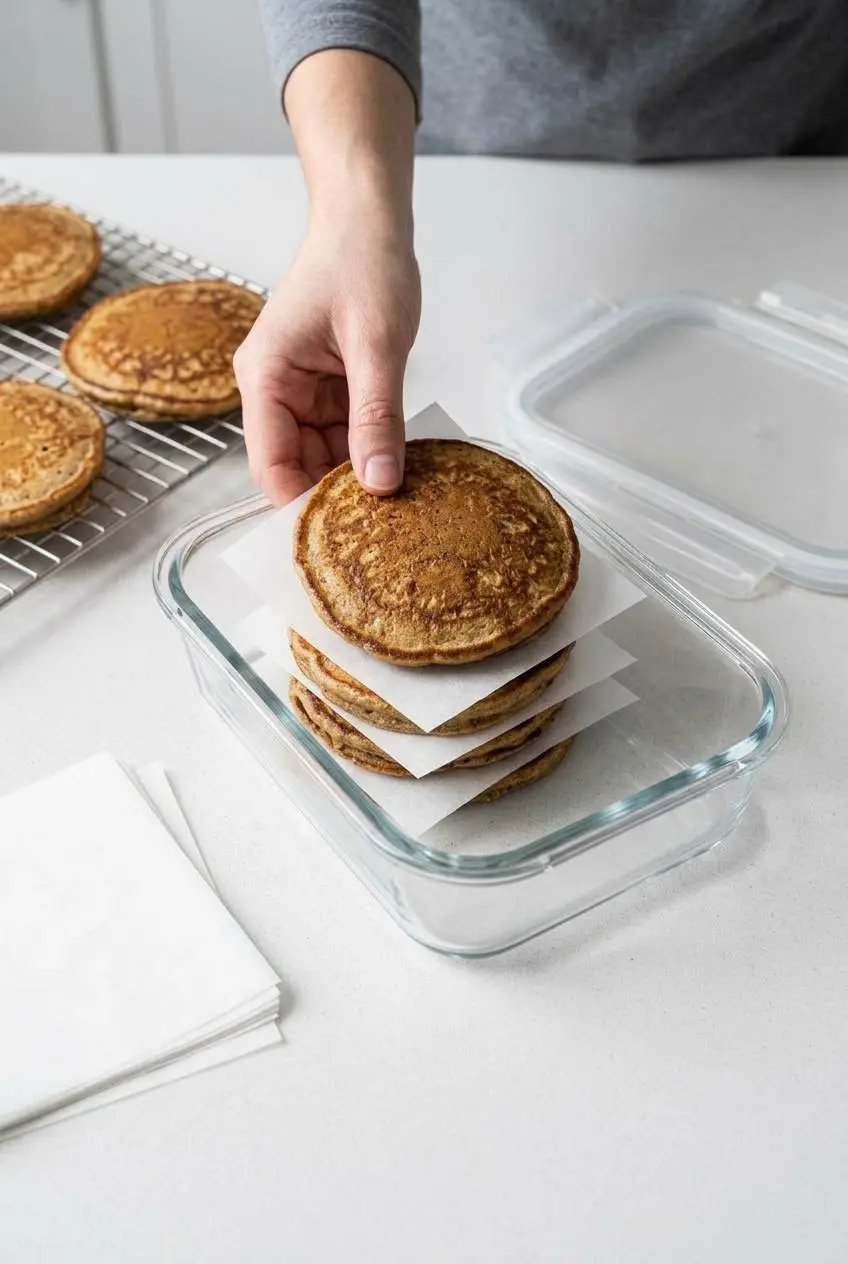
Yes, you can make these ahead, but the best texture comes from cooking first and storing the pancakes rather than holding the raw batter. Let them cool fully, then keep them in a covered container in the refrigerator until you’re ready to warm them back up.
For reheating, a toaster gives the edges a little crispness, while a microwave keeps them softer. A lightly buttered skillet over low heat works well too if you want to refresh the surface without drying them out.
Because this batter is egg-based, chill leftovers promptly and cook them through before serving. For egg handling and cooking basics, the USDA recommends thorough cooking and proper refrigeration for shell eggs, which you can review here for safe egg handling, cooking, and storage.
Keto-Friendly Topping Ideas
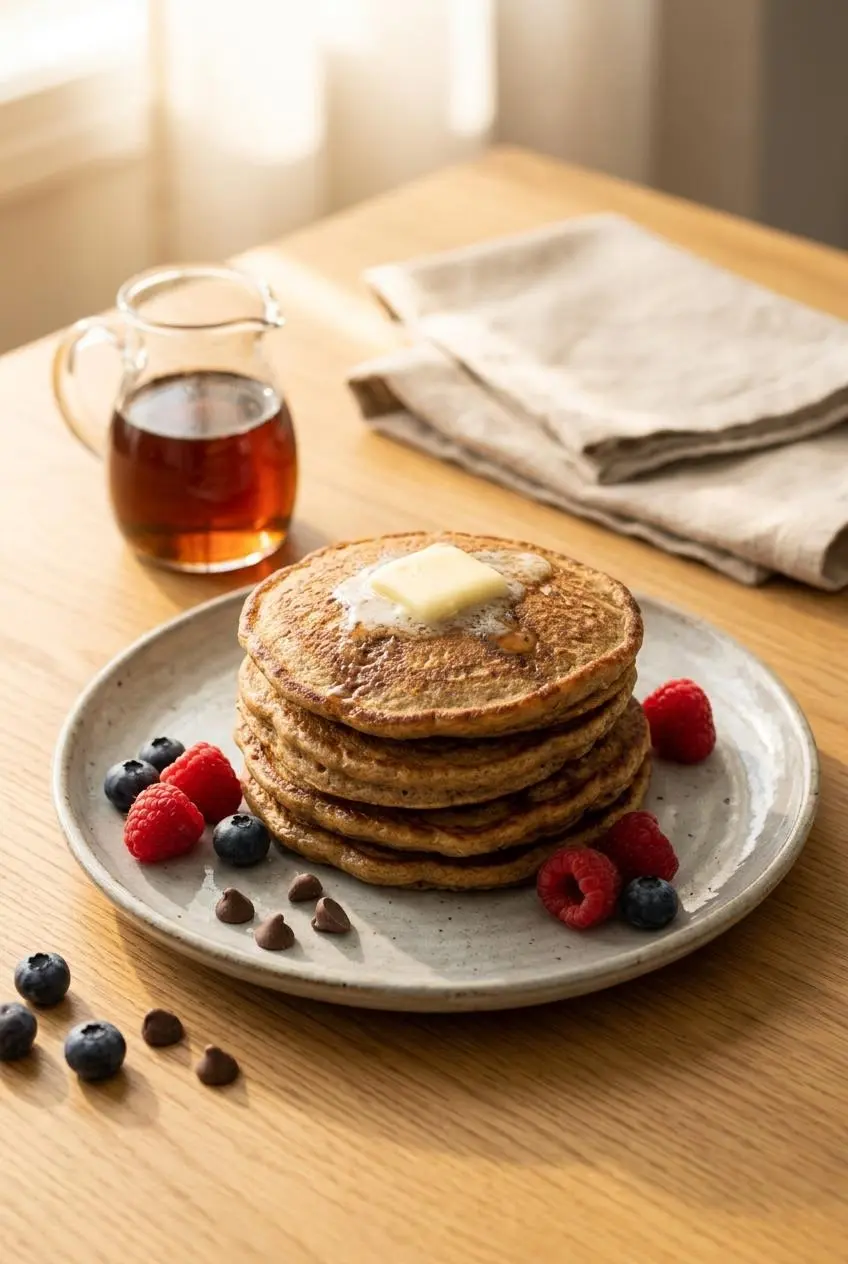
The pancakes are rich on their own, so toppings work best when they add contrast or a little extra comfort.
- A pat of grass-fed butter
- A drizzle of sugar-free maple syrup
- Melted peanut butter or other nut butters
- A handful of fresh berries like blueberries or raspberries
- A dollop of keto-friendly whipped cream
- A sprinkle of cinnamon
Blueberries are especially good here because they cut through the richness. If that flavor combo is your thing, keto blueberry muffins make a nice next breakfast to try.
These also pair well with hot coffee, especially if you like a sweeter morning setup with a homemade keto creamer.
Conclusion
These pancakes are quick, fluffy, and genuinely satisfying, with a rich peanut flavor and a method that’s easy to repeat. The flourless version is especially handy when you want breakfast fast.
Whip the egg well, keep the pancakes small, and watch the bubbles before flipping. That little bit of patience makes all the difference.
Frequently Asked Questions (FAQ)
Can I Use Powdered Peanut Butter to Lower the Fat Content?
Not as a direct swap. Powdered peanut butter doesn’t bring the same fat, moisture, or structure as regular peanut butter, so the batter can turn dry and fragile. If you want to experiment, expect to add another fat source and adjust the liquid until the batter loosens up. It’s better to treat it like a different recipe than a straight substitution.
How Do I Make the Pancakes Fluffier?
Start by making sure your baking powder is fresh. Then whip the egg for 1 to 2 min until it looks pale and foamy before adding the other ingredients. If you want a little more lift, a tiny splash of apple cider vinegar can help the baking powder work more actively. The biggest upgrade, though, is still that well-whisked egg.
Can I Freeze Keto Pancakes?
They can usually be frozen, but texture is best when they’re cooled completely and protected from sticking with parchment between them. Use a freezer-safe container or bag so they don’t pick up frost or off flavors. When you reheat them, go gently so they stay tender. A toaster, microwave, or low skillet heat all work, depending on whether you want a crisp edge or a softer center.
Why Do My Keto Pancakes Have an Eggy Taste?
That’s common in low-carb pancakes with a high egg ratio. The easiest fix is to use a flavorful peanut butter so the nutty taste leads instead of the egg. Vanilla extract helps, and cinnamon can soften the egg note too. Almond flour versions also tend to taste less eggy because the extra dry ingredient changes the balance.
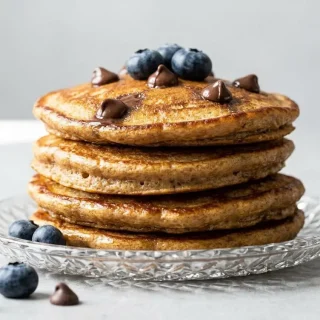
Keto Peanut Pancakes

Equipment
- Medium bowl
- Whisk
- Nonstick skillet
Ingredients
For the flourless keto pancakes
- 1 egg
- 1/4 teaspoon baking powder
- 2 tablespoons salted almond butter, peanut butter, or other nut butter of choice
Optional add-ins
- 1/2 teaspoon vanilla extract
- chocolate chips or chunks
- banana extract
- blueberries
Instructions
- Plan on one batch making 3 small pancakes or 2 normal-sized pancakes, and scale up if needed. The smaller size matters because this batter is delicate and much easier to flip cleanly.
- Whisk the egg in a medium bowl for 1 to 2 min until it turns pale and foamy, then mix in the baking powder, the vanilla extract if using, and sweetener if you want a sweeter pancake. The egg should look lighter and a bit frothy, which means you’ve added air for a fluffier texture.
- Whisk in the nut butter until the batter is completely smooth. It should look runny, almost like heavy cream, and that loose texture is normal for the flourless version.
- Heat a nonstick skillet over medium heat and add a small pad of butter or a little oil, then spoon in about 2 scant tablespoons of batter per pancake. Keep the pancakes around 2 to 3 inches wide so they hold together better when you turn them.
- Cook over medium heat until the edges look set and bubbles appear across the surface, then flip and cook the second side until lightly golden. These brown quickly, so watch closely and test one first if your stove runs hot.
- Serve the pancakes right away with any toppings you like. They’re best when warm, soft, and freshly cooked.

Tried these before work and was honestly surprised how fluffy they got with just the egg, baking powder, and peanut butter. Keeping them tiny made a huge difference for me.
So good.
My first batch fell apart because I got impatient and flipped too soon 😅 Second round I waited for the bubbles like you said and they turned out way better. Do you think almond butter makes them more fragile than peanut butter?
Yes, almond butter can make the batter a little looser and more delicate than peanut butter. If you use almond butter, keeping the pancakes extra small and waiting for those surface bubbles really helps.
I like that this doesn’t try too hard to be fake regular pancakes. They really do land somewhere between a pancake and a crepe, which worked for me with a little melted peanut butter on top.
I made a double batch on Sunday because weekday breakfasts are chaos at my house. Reheated two in the toaster Monday morning and the edges got just a little crisp, which I actually liked more than fresh. Next time I’m adding a tiny bit of cinnamon because my peanut butter was unsalted and the flavor needed a boost.
This was helpful because you actually explained what the batter should look like. Mine was super runny and I was sure I messed it up, but they cooked up fine.
I used natural salted peanut butter and vanilla, then threw in a few blueberries. Really nice combo and not too heavy.
Quick question, if I add a little almond flour for more structure, would you still keep the batter pretty loose or should it be closer to normal pancake batter? I’m cooking for my dad this weekend and he always judges pancakes by the flip lol.
I would aim for a batter that is a bit thicker than the flourless version but still easy to spoon and spread. It does not need to be as thick as standard pancake batter, and keeping the pancakes small will still make the flip much easier.
Made these after a total fail with a different keto pancake recipe that turned out rubbery. These were much softer and the texture was way nicer. I think whipping the egg first was the part I usually skip, so lesson learned there.
I’m glad this version worked better for you. That whipped egg step really helps the texture stay lighter, especially with such a small ingredient list.
Love this.
I appreciated the note about stoves running hot because mine absolutely does. The first one got too dark fast, then I dropped it to medium low and the rest came out golden. Super practical recipe.
I made these for myself and my daughter, and she called them peanut butter baby pancakes which was kind of perfect. I topped hers with a few chocolate chips and mine with berries. Funny enough, the tiny size made them feel more fun instead of less filling.
Have you ever tried these in a ring mold or does that make them harder to flip? I want them a little thicker, but the delicate batter has me nervous.
A ring mold can work well if you want neater and slightly thicker pancakes. I would just keep the heat steady and let the first side set fully before removing the mold and flipping.
The tip about using salted peanut butter was spot on. I used unsalted the first time and they tasted flat, then added cinnamon and vanilla on the next batch and that helped a lot.
I’ve been trying to find small batch breakfasts that don’t leave me with a sink full of bowls, and this hit the mark. One bowl, one pan, done. I also liked that you were honest about the texture being a little delicate because it set my expectations right away and I didn’t go into it expecting diner pancakes.
Really solid base recipe. I did peanut butter plus a drop of banana extract and it gave that peanut butter banana vibe without needing extra stuff.
My batter came out more like paste than cream, probably because my peanut butter was super thick from the fridge. I still cooked them and they were okay, just dense. Should I let the nut butter come to room temp first next time?
Yes, that can help a lot. Room temp nut butter usually mixes more smoothly, and using just a little less next time can also keep the batter lighter and easier to spread.