Skip to content

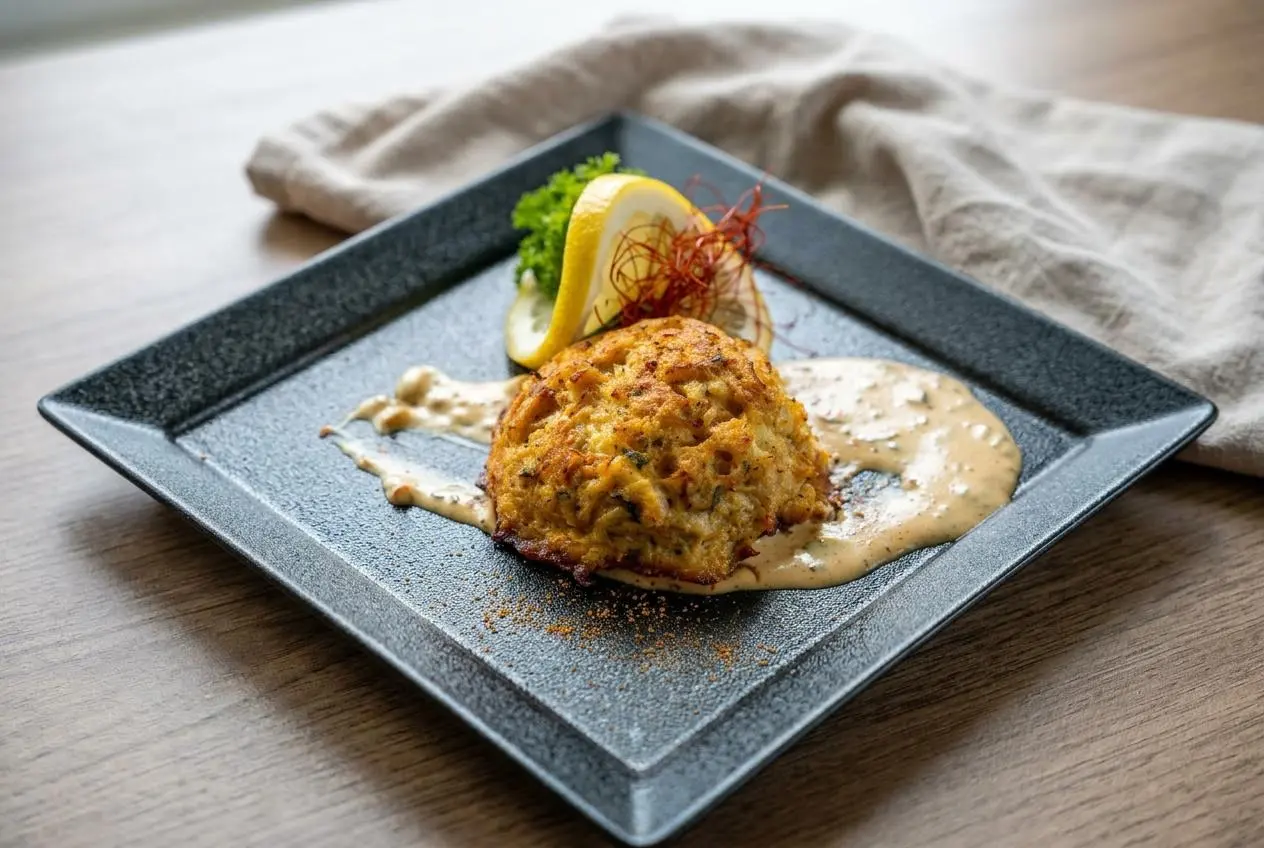
Keto crab cakes use egg and mayonnaise to hold tender lump crab together without breadcrumbs. Gently fold in the dressing, refrigerate the mixture, then bake on parchment until golden for a Maryland-style result that keeps the seafood front and center.
These keto crab cakes lean into sweet crab meat, savory Old Bay, and a little mustard tang. The dressing coats the lumps rather than hiding them in filler, so each bite stays tender and distinctly crabby.
Baking makes this delicate mixture easier to handle because you don’t need to flip the cakes. The key is controlling moisture before they reach the oven. Keep those lovely lumps intact.
Have both mixing bowls ready before opening the crab so you can inspect the meat and mix the dressing separately.
Essential Ingredients for Low-Carb Crab Cakes
Crab provides the tender texture, egg supplies structure, and mayonnaise adds moisture and richness. Mustard, Old Bay, Worcestershire, lemon, and optional hot sauce balance the seafood’s sweetness, while baking powder helps lighten the mixture.
- 1 lb Crabmeat
- 1 Egg
- 3 tbsp Mayonaise
- 1 tbsp Dijon
- 1 tsp Old Bay
- 1 tsp Worcestershire
- 1 tsp Hot Sauce (Optional)
- 1 tsp Lemon Juice
- 1/2 tsp Baking Powder
Selecting Quality Crab Meat: Jumbo Lump vs. Backfin
Lump crab meat gives these cakes their best feature: recognizable pieces of seafood. Jumbo lump contains especially large chunks with a delicate texture. It’s a lovely choice when you want generous bites, although vigorous stirring can quickly undo that advantage.
Backfin usually includes smaller flakes and some lump pieces. Those flakes distribute through the dressing more evenly, producing a cohesive cake with less dramatic chunks. Claw meat has a darker color and a stronger crab flavor; it works if you prefer that savory character over the appearance of pale lumps.
Fresh or refrigerated pasteurized crab can work, as can genuine canned crab. Check the package for the meat grade and look for excess liquid. If liquid collects around the crab, drain it gently before mixing rather than squeezing the meat dry.
I’d choose intact lumps over perfectly uniform cakes, and I’d rather fold a little less than break up the crab chasing a smooth mixture.
The Egg and Mayonnaise Protein Binder
The egg does the main structural work as its proteins set during cooking. Mayonnaise helps distribute the dressing and adds richness, but it isn’t a substitute for the egg’s binding action.
Whisking them together first gives the crab an even coating without repeated stirring. Refrigeration helps the mixture become easier to shape; it doesn’t cook the egg or permanently lock the pieces together. The cakes remain delicate until heat sets the binder.
Baking powder contributes a little lift as the cakes bake. Expect a tender seafood interior, not the airy crumb of a muffin. It won’t rescue a mixture with too much dressing.
Chesapeake Spices and Flavor Enhancers
Old Bay brings the familiar savory, peppery coastal seasoning. Dijon adds tang and depth, while Worcestershire supplies a rounded savory note. Lemon juice brightens the dressing without turning the cakes into a lemon-forward dish.
Hot sauce is optional. Use it for a gentle background kick, or leave it out to let the crab’s sweetness stand out. With Old Bay and Worcestershire already in the mixture, avoid automatically adding extra salt.
Why Traditional Crab Cakes Contain Carbs and How to Swap Them
Traditional crab cakes often use breadcrumbs or crushed saltines to absorb liquid and help bind the seafood. Removing those fillers changes both the carbohydrate contribution and the handling: the mixture needs more careful moisture control.
This version relies on egg, a light coating of mayonnaise dressing, and a refrigeration rest. It contains no flour or cracker filler. If you need gluten-free crab cakes, check the labels on the sauces and seasonings rather than assuming every brand meets that requirement.
Other low-carb approaches use almond flour or pork rind crumbs. Almond flour adds body but can make the interior more substantial; pork rind crumbs add a savory, salty character. Neither is necessary for the baked recipe below.
Imitation crab is a different product from genuine crab meat. Many varieties contain starch binders and sweeteners, so check the ingredient list and nutrition label before treating it as a low-carb substitute. It also won’t give you the same tender lumps or crab flavor.
Step-by-Step Method for Baking Tender Keto Crab Cakes
This recipe makes four portions. The hands-on preparation takes about 15 minutes, but plan for the required refrigeration rest before baking. The mixture chills in the bowl first, then gets portioned onto the baking pan.
- Inspect the crab a little at a time, removing shell or cartilage fragments before collecting the meat in a mixing bowl.
Keep the larger pieces intact rather than rubbing or shredding them during inspection. - Whisk the egg, mayonnaise, Dijon, Old Bay, Worcestershire, lemon juice, baking powder, and optional hot sauce together in a second bowl.
The dressing should look evenly blended, with no visible streaks of egg or mayonnaise. - Pour half the dressing over the crab and fold gently, adding more dressing only as needed to coat the meat.
Stop when the pieces look lightly moistened, before dressing begins pooling around them. - Refrigerate the crab mixture for at least 1 hour before shaping.
The rested mixture should feel more cohesive and easier to gather into portions. - Heat the oven to 425°F, line a baking pan with parchment paper, and divide the chilled mixture into four equal rounded portions on the lined pan.
Keep each portion loosely gathered so the crab lumps remain visible instead of compressing them into a dense ball. - Apply a light dusting of Old Bay and bake for 12–15 minutes.
Look for a golden surface and cakes that hold their shape rather than spreading across the parchment.
The oven method avoids the most awkward part of cooking a filler-free cake: turning it while the center is still fragile. A golden exterior is the finishing cue here, not a reason to keep baking until the entire cake feels hard.
Critical Techniques to Prevent Crab Cakes from Falling Apart
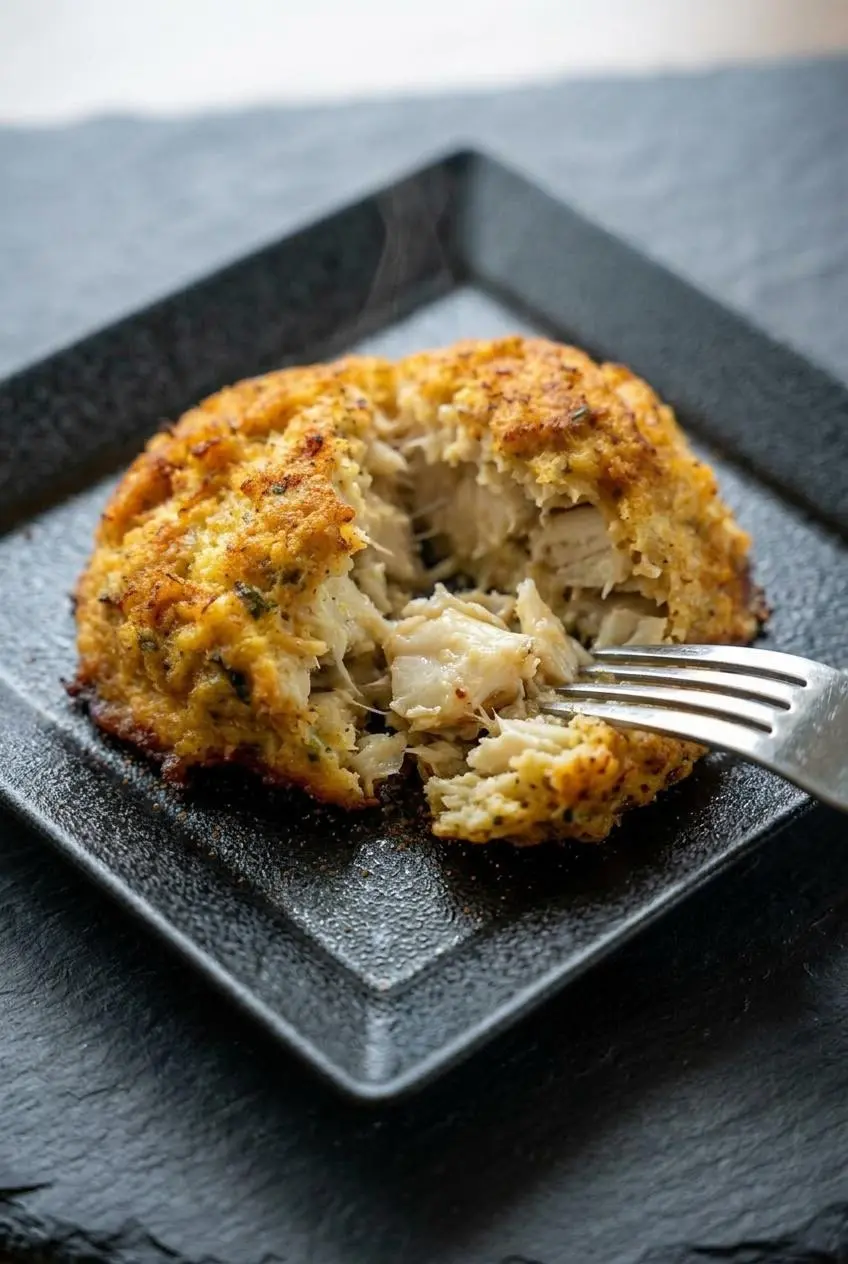
A moist crab mixture is normal; a puddle of dressing is not. Check the consistency before portioning the whole batch, and let the refrigeration rest do its work.
- The mixture spreads when shaped: Excess dressing or liquid from the crab may be the cause. Stop adding dressing, gently lift the mixture away from any pooled liquid, and refrigerate it before trying again.
- The chilled mixture still seems loose: Gather a small test portion with a spoon. It should form a soft mound, even if it isn’t firm enough to handle like a burger; avoid squeezing it hard to force cohesion.
- The crab looks stringy: Too much stirring has broken the lumps. Fold with broad, slow movements, lifting from underneath instead of beating the mixture in circles.
- The cakes split during transfer: A narrow spatula leaves part of the cake unsupported. Slide a broad spatula fully beneath each baked portion and lift without squeezing or tipping it.
- The interior turns dense or dry: Heavy compression or extended baking can spoil the tender texture. Shape lightly and check for the golden finish within the baking window.
Chilling is required for this method, but it cannot absorb excess liquid. The best rescue starts before that point: add the dressing gradually and keep the remaining dressing out if the crab is already coated.
Flavor Variations and Alternative Cooking Methods
The baked method needs the least handling. These optional variations change the exterior or serving size, but they don’t replace the official directions above.
Air Fryer Keto Crab Cakes
Moving hot air can produce a more pronounced surface crust. Use an appliance-compatible liner if permitted by the manufacturer, leave space between portions, and apply a light mist or gentle brushing of clarified butter if desired.
Check the cakes as they color rather than assuming the oven schedule transfers directly. Air fryers vary, and these soft cakes can be difficult to lift from a basket. Support them fully and avoid turning them unless your appliance requires it.
Pan-Seared Skillet Crab Cakes with Low-Carb Crust
Skillet cooking gives a richer browned exterior, but it demands more careful handling. Avocado oil or clarified butter suits this optional approach. A light coating of finely crushed pork rinds or almond flour can add crust without becoming a heavy filler.
Let the underside establish a crust before attempting a turn, then support the cake with a broad spatula. Pork rind crumbs bring extra saltiness, while almond flour gives a milder coating. For a particularly soft mixture, baking remains the more manageable choice.
Mini Appetizer Party Crab Bites
For a party platter, gather the chilled mixture into smaller, evenly sized mounds on parchment. Keep their size consistent so one tray doesn’t contain both tiny bites and full-size cakes, and check their color rather than using the larger cakes’ schedule automatically.
Offer dipping sauce alongside instead of pouring it over the bites, which makes them easier to pick up. For another seafood option on the appetizer spread, try keto crab rangoon.
Serving Suggestions and Homemade Low-Carb Sauces
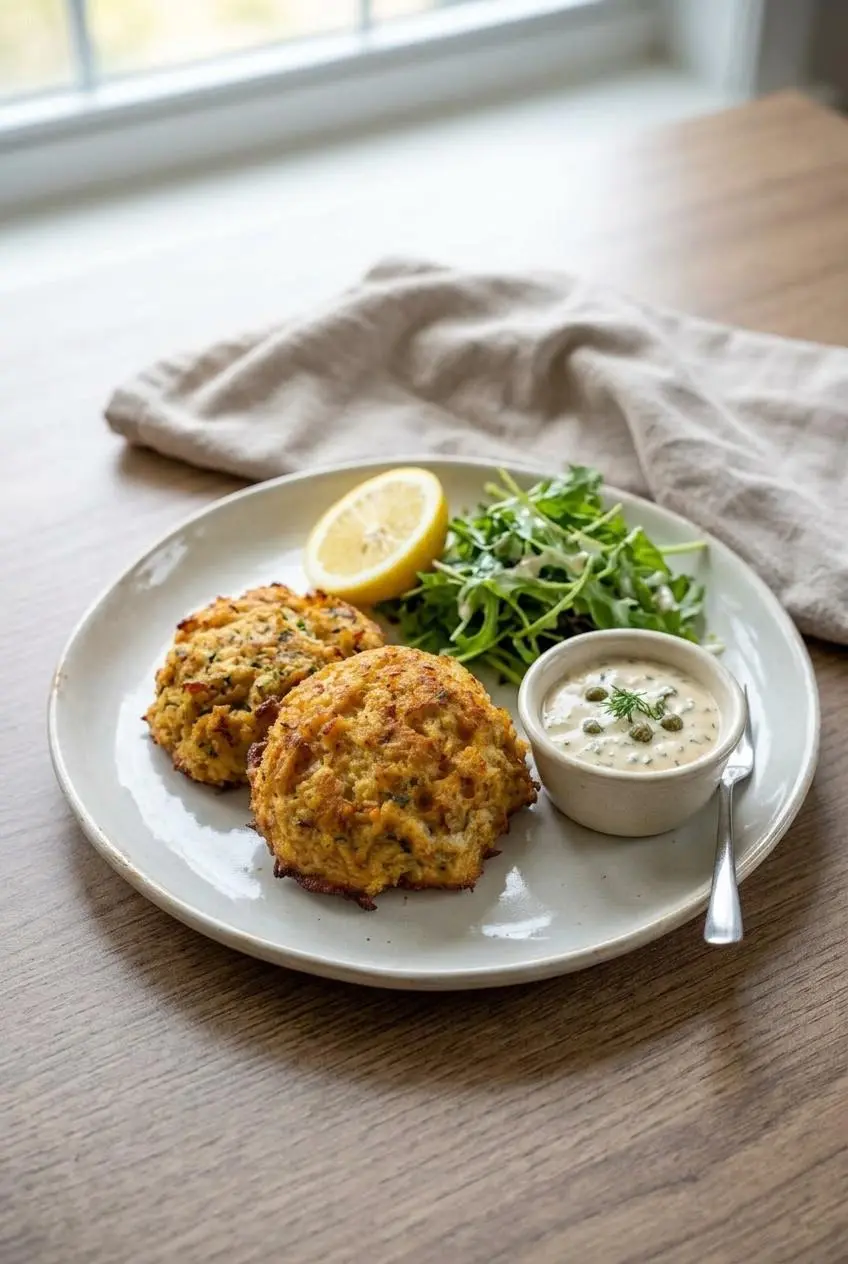
A tangy sauce or fresh vegetable side balances the cakes’ richness without competing with the crab. Keep sauces alongside the cakes if you want to preserve their golden surface.
Classic Chesapeake Low-Carb Remoulade
Stir mayonnaise with chopped capers, fresh dill, lemon juice, and Dijon for an optional remoulade. Taste before adding more seasoning because capers already contribute salt and tang. Choose condiment brands without added sweetness if that suits your carbohydrate goals.
Keep the sauce thick enough to cling to a bite rather than thinning it into a dressing. For a sandwich lunch, spread it on toasted keto bread and add a crab cake with crisp greens.
Melted Garlic-Herb Clarified Butter
Warm clarified butter with minced garlic and herbs for a savory drizzle. Keep the garlic from scorching, then add a little lemon juice for brightness. Serve it alongside so you can add richness without soaking the entire cake.
Complementary Vegetable Sides
- Mixed greens: A light lemon dressing gives a fresh contrast to the warm crab.
- Shaved fennel: Its crisp texture and gentle anise flavor pair well with lemon and seafood.
- Roasted asparagus: Serve it alongside the cakes for a warm vegetable accompaniment that doesn’t need a heavy sauce.
Refrigeration, Make-Ahead Prep, and Reheating Instructions
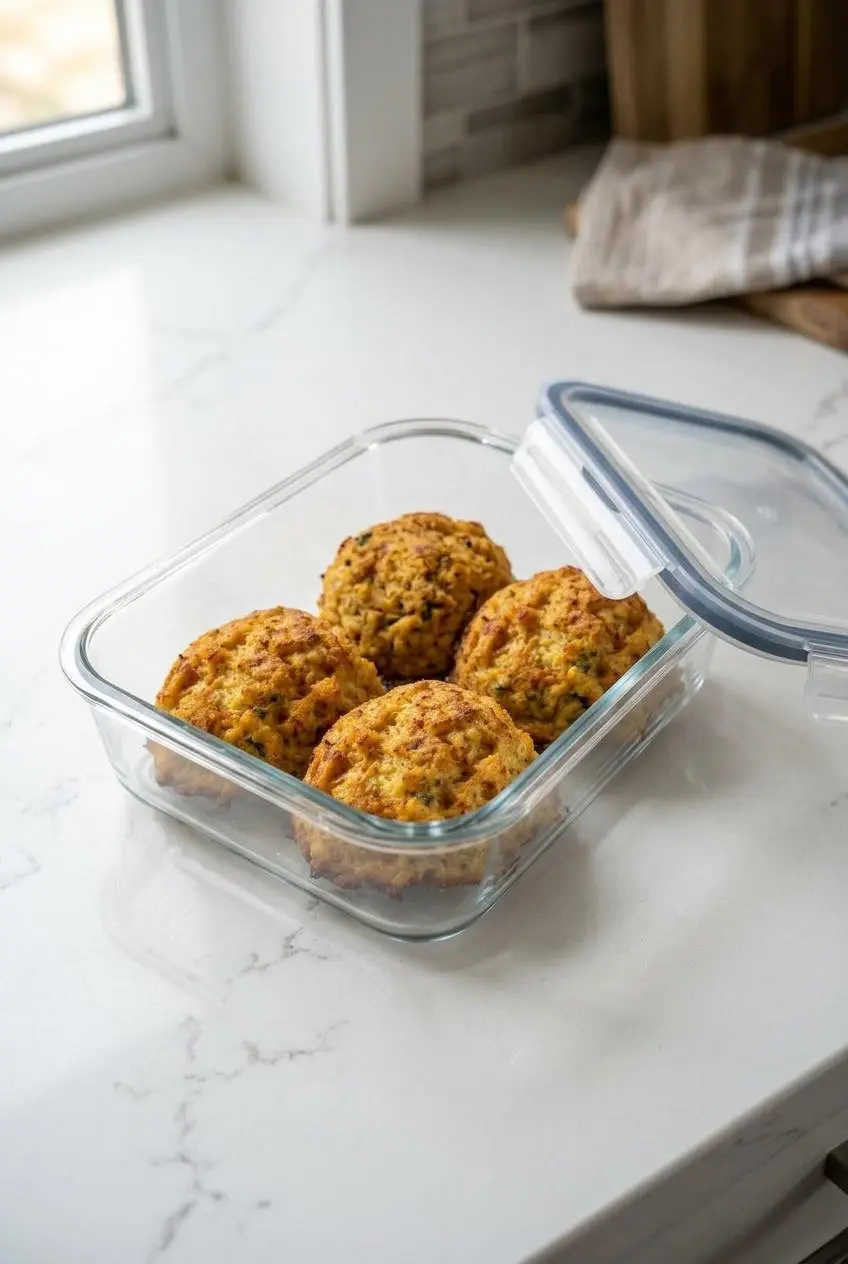
Use the required bowl-chilling stage to organize the rest of the meal. Keep the mixture covered and refrigerated, then portion it when you’re ready to bake rather than leaving shaped cakes on the counter.
For leftovers, keep the cooked cakes chilled in an airtight container for cooked seafood. Store remoulade and dressed greens separately so they don’t soften the surface.
Reheat the portion you plan to serve in a preheated oven or air fryer, checking as it warms. Gentle heating helps preserve the tender interior while refreshing the exterior. Avoid prolonged heating, and favor these methods over the microwave when texture matters.
Mastering Low-Carb Crab Cakes at Home
These cakes succeed by giving crab the spotlight. A light dressing, gentle folding, and the required refrigeration rest help preserve both their shape and their tender texture.
Start with the parchment-lined baked method, then explore a different crust or sauce when you feel comfortable handling the mixture. Keep the lumps intact, and let the seafood lead.
Frequently Asked Questions
Can I Use Imitation Crab Meat for Keto Crab Cakes?
Genuine crab is the better fit for this recipe. Many imitation crab products contain starches and sweeteners, so evaluate the package rather than assuming they’re interchangeable. They also lack the lump texture these cakes are designed to showcase.
How Do You Keep Crab Cakes from Falling Apart Without Breadcrumbs?
Use the egg to provide structure, add the mayonnaise dressing gradually, and fold without shredding the crab. Complete the refrigeration rest before shaping. Baking on parchment reduces handling while the binder sets.
What Is the Best Type of Crab Meat to Use?
Lump crab gives a good balance of distinct pieces and manageable shaping. Jumbo lump makes especially generous bites, while backfin produces a more evenly textured cake. Claw meat works when you prefer a stronger, darker crab flavor.
Can I Prepare Uncooked Crab Cakes Ahead?
Use the covered refrigeration stage in the method as your preparation window, then shape the chilled mixture when you’re ready to bake. An extended advance-preparation schedule isn’t established for this recipe.
How Do You Reheat Leftover Crab Cakes so They Stay Crisp?
Use a preheated oven or air fryer and check the cakes as they warm. These methods refresh the exterior better than microwave heating. Keep sauces separate until serving and avoid heating longer than necessary.
Keto Crab Cakes

Equipment
- Mixing bowls
- baking pan
- Parchment paper
- Broad spatula
Ingredients
- 1 lb Crabmeat
- 1 Egg
- 3 tbsp Mayonaise
- 1 tbsp Dijon
- 1 tsp Old Bay
- 1 tsp Worcestershire
- 1 tsp Hot Sauce (Optional)
- 1 tsp Lemon Juice
- 1/2 tsp Baking Powder
Instructions
- Inspect the crab a little at a time, removing shell or cartilage fragments before collecting the meat in a mixing bowl. Keep the larger pieces intact rather than rubbing or shredding them during inspection.
- Whisk the egg, mayonnaise, Dijon, Old Bay, Worcestershire, lemon juice, baking powder, and optional hot sauce together in a second bowl. The dressing should look evenly blended, with no visible streaks of egg or mayonnaise.
- Pour half the dressing over the crab and fold gently, adding more dressing only as needed to coat the meat. Stop when the pieces look lightly moistened, before dressing begins pooling around them.
- Refrigerate the crab mixture for at least 1 hour before shaping. The rested mixture should feel more cohesive and easier to gather into portions.
- Heat the oven to 425°F, line a baking pan with parchment paper, and divide the chilled mixture into four equal rounded portions on the lined pan. Keep each portion loosely gathered so the crab lumps remain visible instead of compressing them into a dense ball.
- Apply a light dusting of Old Bay and bake for 12-15 minutes. Look for a golden surface and cakes that hold their shape rather than spreading across the parchment.