Skip to content
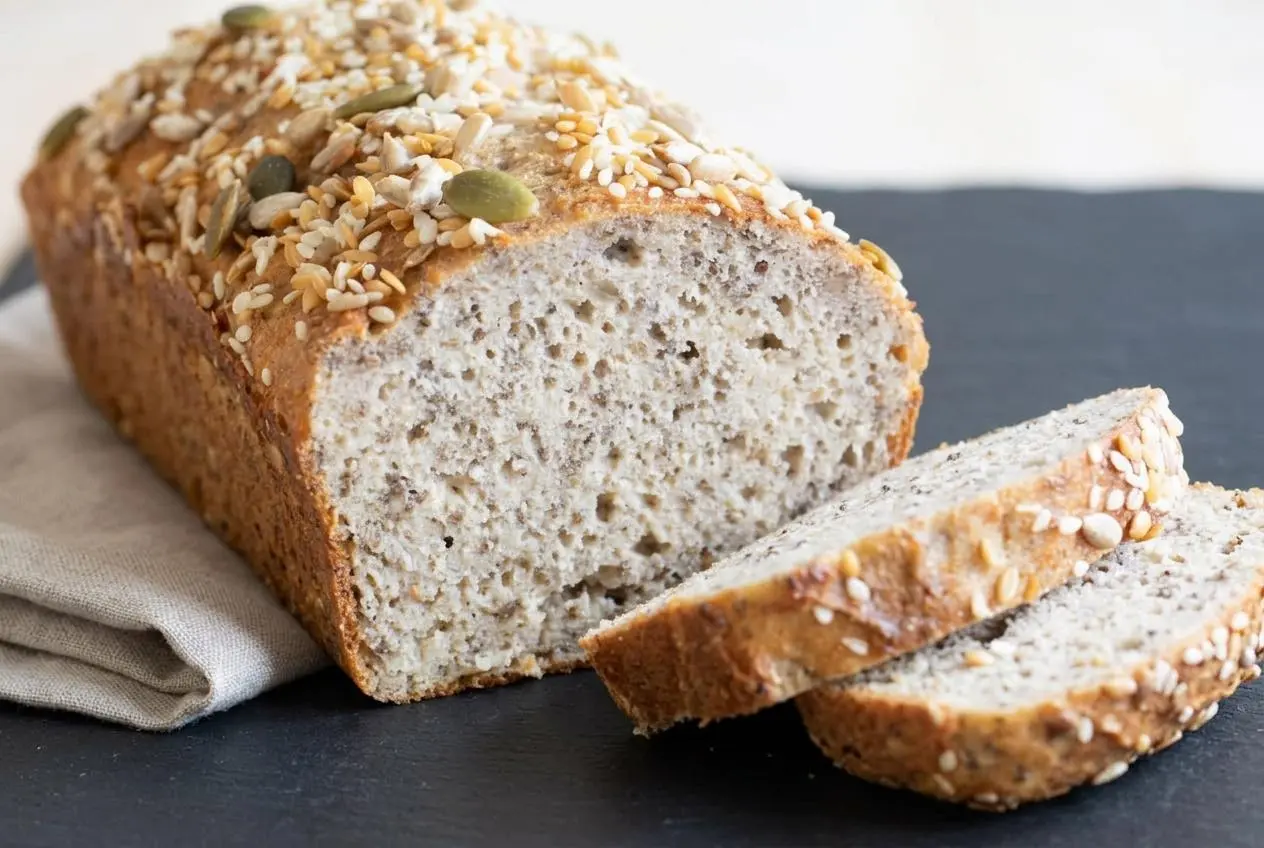
A keto cottage cheese bread recipe gives you a soft, sliceable low carb loaf with real sandwich structure. Blending the cottage cheese smooth and letting the batter rest are the two small steps that make the crumb springy instead of heavy.
This keto cottage cheese bread recipe is a yeast-free loaf made with cottage cheese, eggs, almond flour, coconut flour, and fiber-rich binders for a bread texture that feels much closer to a true sandwich slice than a flatbread wrap.
It bakes up rustic, fluffy, savory, and satisfyingly chewy, with a crust that springs back when you tap it. The batter should look thick and spreadable, not runny. That’s the sweet spot.
Drain off any visible whey before measuring the cottage cheese, or the loaf can bake up wetter than you want.
Keto Cottage Cheese Bread Ingredients
Each ingredient has a real job here, from moisture and lift to chew, structure, and that hearty bread-like bite.
- 1 cup Cottage Cheese (250g, room temperature, all liquid drained)
- 3 eggs (large, room temperature)
- 1 cup almond flour (100g, or ground almonds)
- 2 tbsp coconut flour (12g)
- 3 tbsp psyllium husks ( 14g, (1.5 tbsp if using psyllium husk powder))
- 3 tbsp chia seeds (26g)
- 1/2 tbsp baking powder (6g)
- 1/4 tsp sea salt (a large pinch)
- 2 tbsp mixed seeds
Cottage cheese brings moisture, protein, and a gentle tang, but it works best when it’s thick rather than watery. If you see liquid pooling in the container, pour it off first so the batter stays sturdy enough to hold a loaf shape.
Selecting the Right Cottage Cheese
A thicker cottage cheese is the best fit for this bread. Small-curd or large-curd can both work, because the curds get blended smooth anyway, but a looser, watery tub often leads to a damp center and weaker structure.
I always check the surface before scooping. If there’s whey sitting on top, I drain it off and sometimes give the cottage cheese a quick rest in a fine strainer so the loaf bakes up cleaner and taller.
Room-temperature cottage cheese and eggs also help the mixture blend more evenly and trap air more easily, which matters in a loaf without wheat flour.
Understanding Psyllium and Chia as Binders
Almond flour gives the loaf body, while coconut flour helps absorb extra moisture. Psyllium husks and chia seeds are the real structure builders here. They swell as they sit, helping turn a blended batter into a sliceable loaf instead of something soft and floppy.
Baking powder adds lift, and aluminum-free baking powder is worth using if you have it because it keeps the flavor cleaner. If you want to understand how these low-carb binders behave in other loaves, traditional keto bread is a useful comparison point.
How to Make Keto Cottage Cheese Bread
This method is straightforward, but the texture depends on doing the wet blend thoroughly and giving the batter a short rest before baking.
- Line a small loaf tin with parchment paper.
The parchment should cover the base and sides so the baked loaf lifts out cleanly. - Process the cottage cheese until completely smooth, scraping the bowl as needed, then blend in the eggs until the mixture looks creamy and full of bubbles.
Take the full blending time so no curds remain and the wet mixture looks light and aerated. - Add the almond flour, coconut flour, baking powder and salt, then blend until the dry ingredients disappear into the batter.
The mixture should look evenly combined with no dry pockets clinging to the sides. - Blend in the chia seeds, psyllium husks and half of the mixed seeds until a thick dough forms.
At this stage the batter should turn visibly heavier and hold soft ridges instead of flowing freely. - Transfer the dough to the lined tin, smooth the top, and let it stand for 5 to 10 minutes before topping with the remaining seeds.
The resting time helps the fibers absorb moisture, so the batter will look slightly fuller and more set. - Preheat the oven to 170 °C / 340 °F (electric).
Give the oven time to fully heat so the loaf starts rising as soon as it goes in. - Bake for around 45 minutes, then cool the loaf completely before slicing.
The top should be golden brown, feel springy, and a skewer inserted in the center should come out without crumbs sticking.
Blending for Maximum Aeration
This is the step that makes the loaf feel like bread instead of a baked egg dish. Smooth blended cottage cheese disappears into the batter, while the long blend with eggs adds bubbles that help lift the crumb during baking.
If the wet mixture still looks grainy, keep blending. You want a pourable, creamy base with visible aeration before the dry ingredients go in.
Allowing the Batter to Rest
The brief rest is doing real work. Psyllium and chia start pulling in moisture right away, which helps the loaf set up with a more even crumb and less risk of a gummy strip through the middle.
After resting, the batter should look thicker and more stable in the pan. That extra patience pays off when you slice it later.
Tips for the Perfect Rise and Crumb
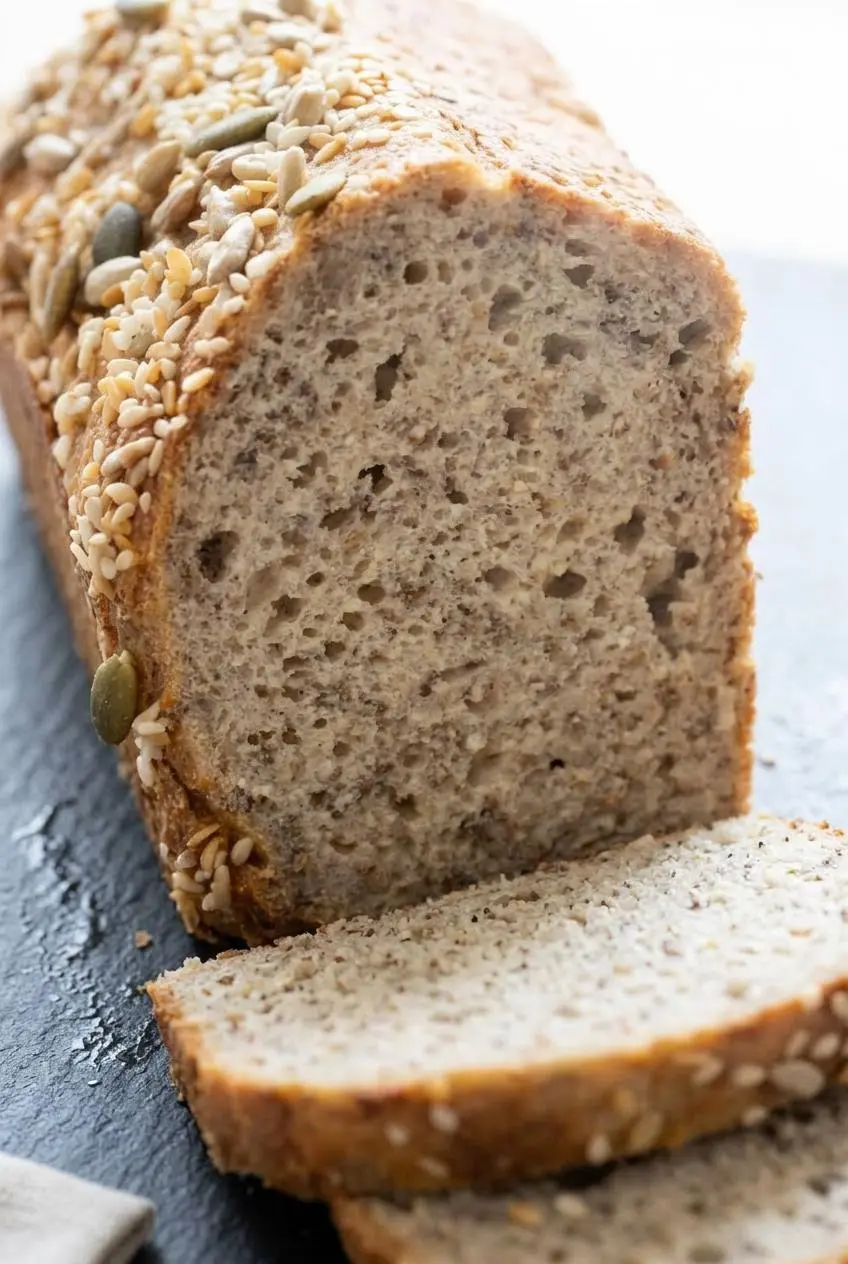
Low-carb loaves need a little more attention to moisture and pan choice, but the fixes are simple once you know what to watch for.
- If the loaf rises poorly, the pan is often the issue. A batter like this needs a small loaf pan so it has depth and support as it bakes.
- If the crumb feels gummy, let the bread cool completely on a wire rack before cutting. Slicing too soon traps steam in the center and tears the crumb.
- If your cottage cheese is loose or watery, strain off the excess before blending. Too much moisture can weigh down the loaf and leave the middle underdone.
- If the bread sticks badly, use parchment paper instead of foil. Foil tends to cling to high-protein, high-moisture batters like this one.
Avoiding the Dreaded Wet Center
A wet middle usually comes from one of three things: overly moist cottage cheese, under-blended wet ingredients, or slicing while the loaf is still warm. Each one keeps the interior from setting properly.
Blend until the cottage cheese is fully smooth, rest the batter so the binders can hydrate, and bake until the loaf feels springy and the center tests clean with a skewer. Then cool it all the way before reaching for the bread knife.
Some psyllium brands can also tint the crumb slightly purple or gray. It looks odd, but it’s usually a psyllium issue rather than a baking failure.
The Importance of the Correct Loaf Pan
This batter is denser than a wheat bread dough, so a standard large loaf pan can spread it too thin. The result is often a squat loaf with less lift and a tighter center.
Use the small loaf tin called for in the recipe and line it with parchment. That gives the bread enough height to bake into neat sandwich slices with better bounce and chew.
Flavor Variations and Flourless Alternatives
The main loaf is the one to make when you want a true sandwich slice, but there are a few smart ways to change the texture or flavor without changing the heart of the recipe.
Artisanal Toasted Seed Loaf
For a more rustic finish, lean into the seed mix. Toasted sunflower, pumpkin, or sesame seeds add crunch and make the crust feel more bakery-style. This works especially well if you like a hearty loaf for savory sandwiches.
You can also stir in savory seasonings like garlic powder, onion powder, or Italian herbs for a more deli-style flavor. Keep these as optional touches so the base loaf stays neutral enough for both sweet and savory toppings.
2-Ingredient Quick Flatbread Wrap
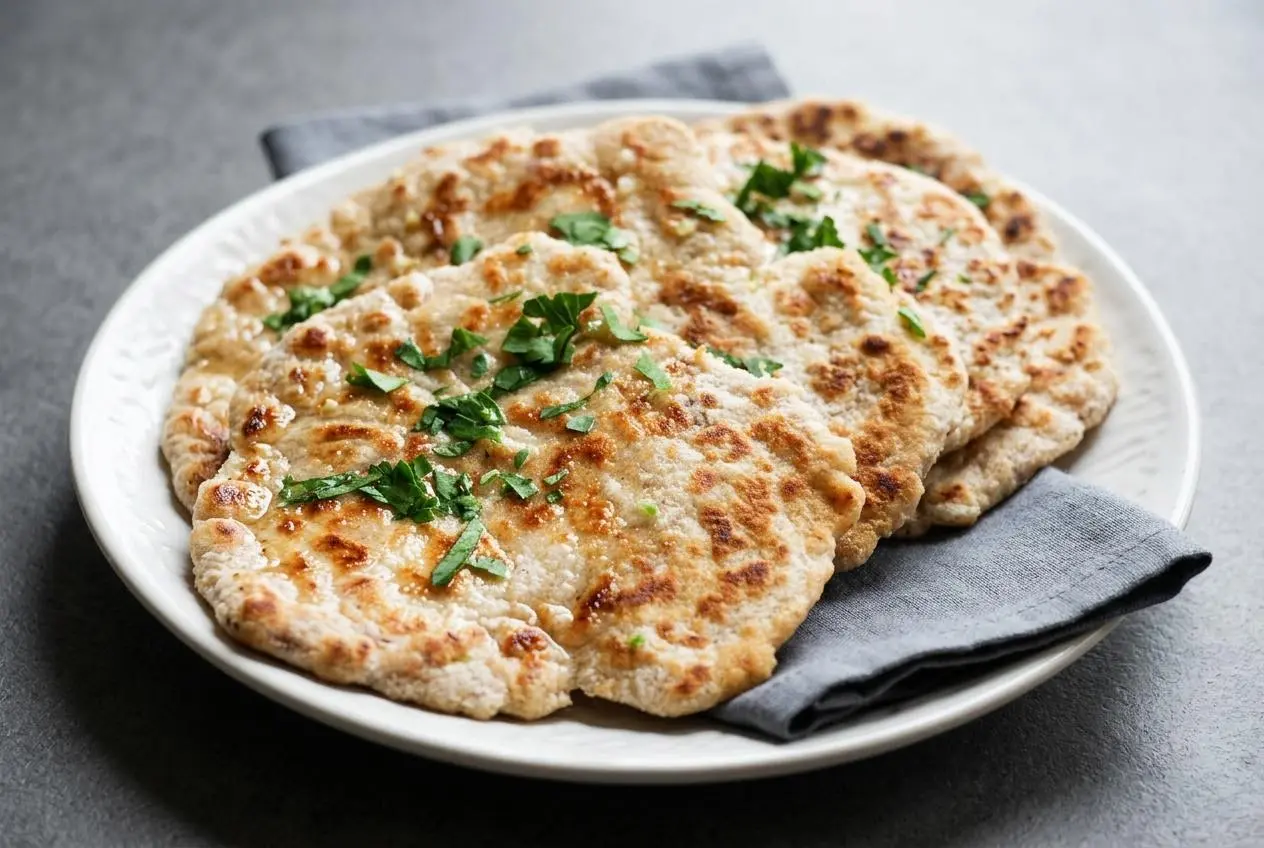
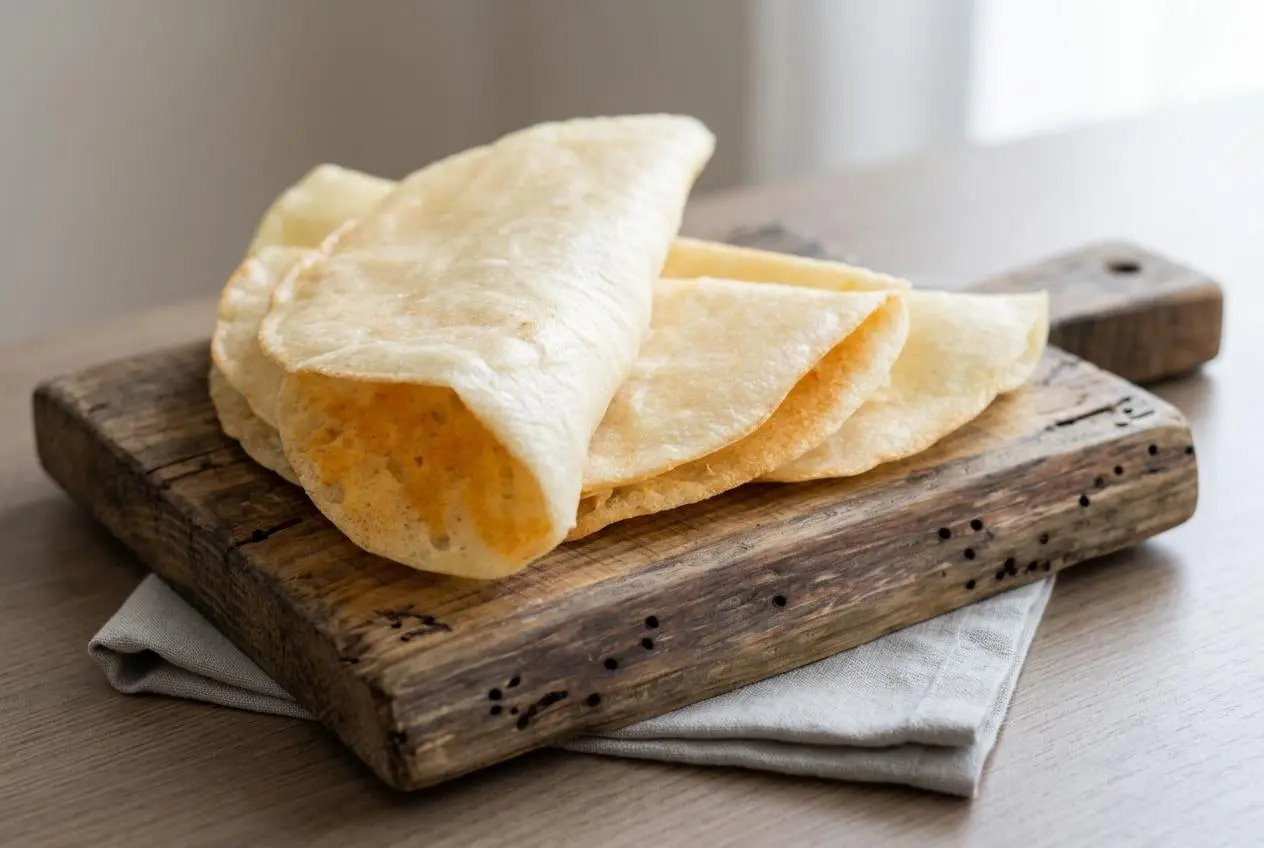
The viral flatbread version is a different thing entirely. It usually blends cottage cheese with eggs, then bakes the mixture as a thin sheet that bends like a wrap rather than slicing like a loaf.
If you want something pliable for roll-ups or quick lunch wraps, that style makes sense. If you want toast and stacked sandwiches, this loaf is the better choice. For another flexible flatbread path, keto naan bread is a handy comparison.
Some home cooks also make a three-ingredient version with a seasoning or a little Parmesan added for flavor, but it still behaves more like a wrap than bread.
High-Protein Cloud Bread Disks
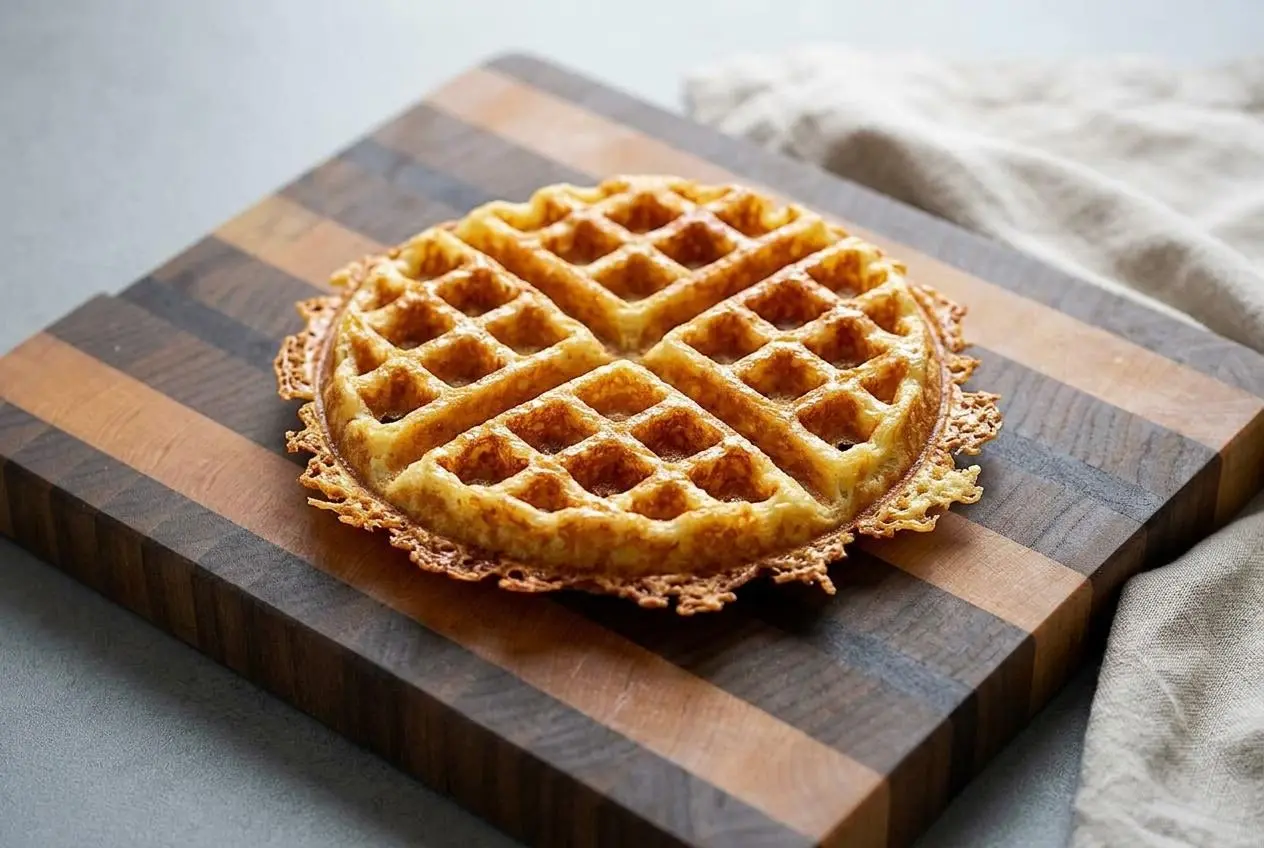
Cloud bread disks go even lighter. They usually rely on whipped egg whites for lift, which gives you airy rounds that work more like sandwich buns than a sturdy loaf slice.
They’re great when you want something feather-light, but they don’t have the same chew or structure as this bread. If you enjoy cheese-forward low-carb baking, keto cheese bread is another good direction with a very different crumb.
Storage and Meal Prep Guidelines
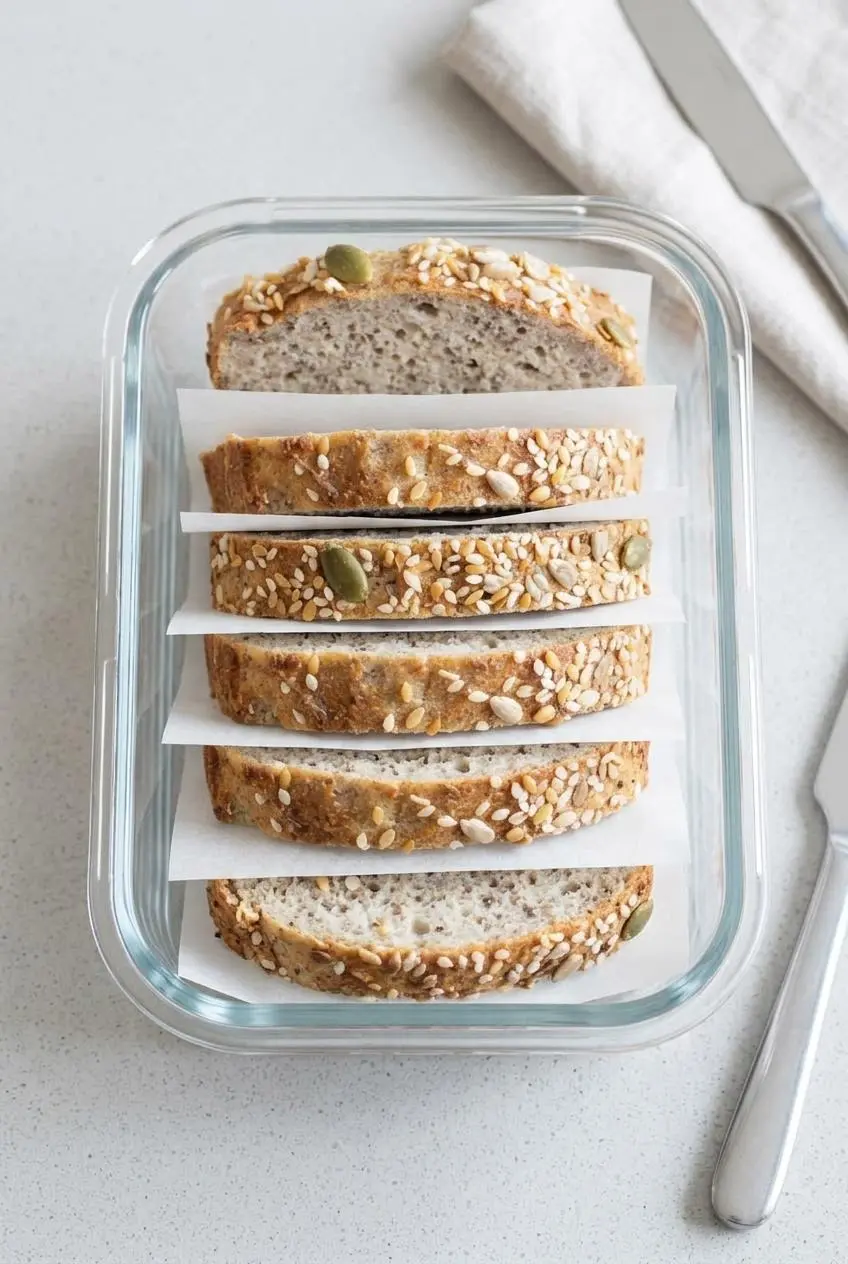
This bread keeps best when you protect it from trapped moisture. Let it cool completely first, then store the slices in a covered container so the crust doesn’t soften more than necessary.
If you refrigerate it, keep it well sealed and avoid stacking warm slices. USDA food safety advice for dairy stresses keeping dairy-based foods properly chilled, with refrigerator storage at 40 °F or below.
For meal prep, I like to slice the loaf once it has fully cooled and place parchment between slices if I’m storing them together. A quick toast brings back the best texture. If you make a flatbread-style variation, stack the layers with paper towels between them so surface moisture doesn’t build up.
How to Serve and Enjoy Your Low-Carb Loaf
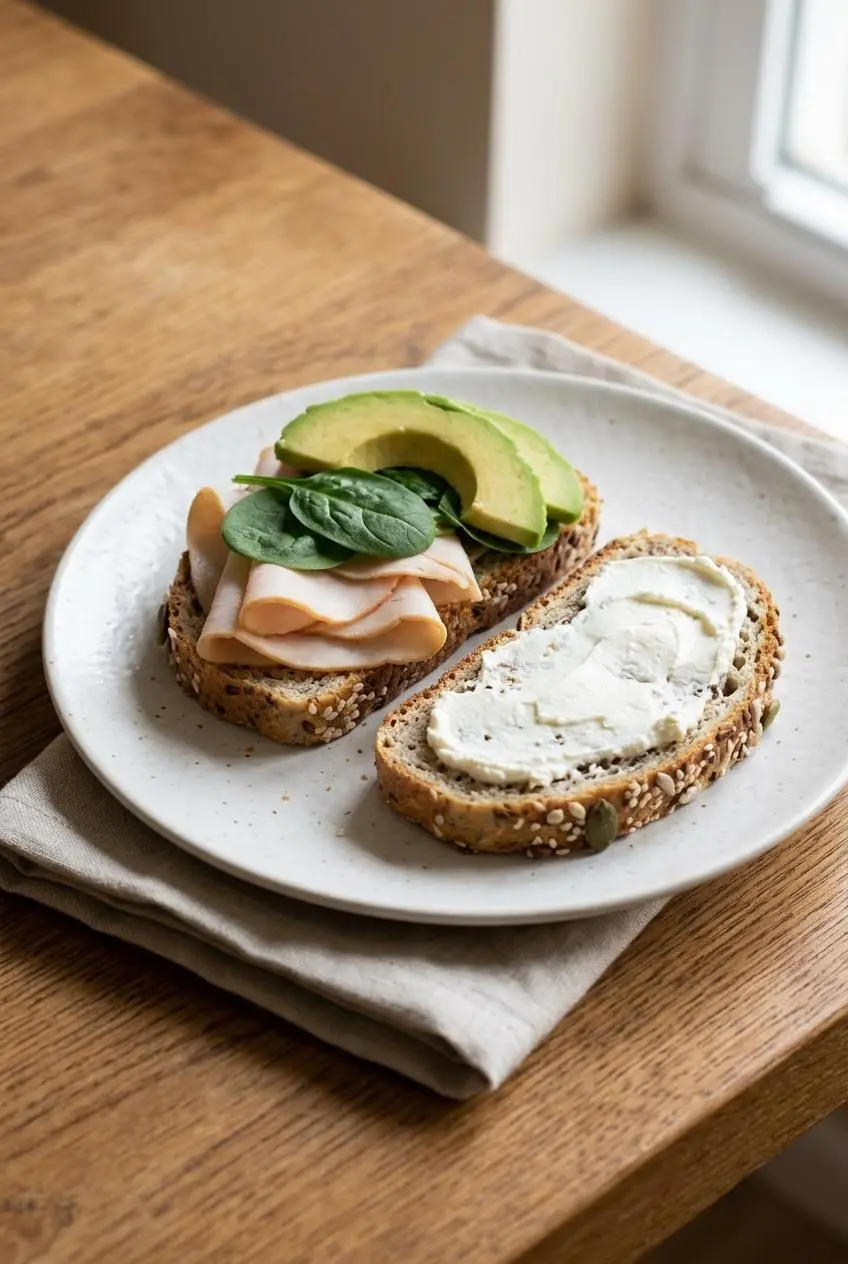
This is the kind of loaf that actually feels useful at mealtime. It holds fillings well, toasts nicely, and works for both breakfast and lunch.
- Make a savory sandwich with deli turkey, spinach, and avocado for a classic lunch combination.
- Top toasted slices with blended cream cheese and sugar-free jam when you want a sweeter breakfast feel.
- Use it for a warm ham and cheddar melt when the chewy crust gets especially good.
- Pair a toasted slice with a salad or a bowl of low-carb soup when you want bread on the side.
- Spread it with keto egg salad for a satisfying cold sandwich filling.
Conclusion
Cottage cheese is the moisture-rich star that helps this loaf stay tender while the almond flour, chia, and psyllium give it the structure a sandwich bread needs.
If you blend the wet ingredients until smooth and airy, then give the batter its short rest, you’ll get a sliceable low carb loaf that’s genuinely worth toasting.
Frequently Asked Questions
Can I make this keto cottage cheese bread without psyllium husk?
Yes, but expect a slightly different texture. Ground flaxseed is the most common stand-in, though the loaf usually bakes a bit denser and more nutty. Psyllium gives this bread more of its flexible, sandwich-style structure, so the crumb may be less springy without it. Keep the rest of the method the same, especially the draining, blending, and resting steps.
Why did my cottage cheese bread turn out dense or wet in the middle?
The usual causes are too much moisture, not enough aeration, or cutting too early. Drain visible liquid from the cottage cheese before measuring. Blend until the wet mixture is fully smooth and bubbly, with no curds left behind. Use the correct small loaf pan so the batter has height. Cool the loaf completely before slicing so the crumb can finish setting.
Does cottage cheese affect ketosis?
It can fit into a keto pattern, but the answer depends on your overall carb intake and the specific cottage cheese you buy. Many people choose full-fat cottage cheese because it tends to work well in low-carb meals. Labels vary, so it’s worth checking the carbs on the tub if ketosis is your goal. This recipe is designed around low-carb ingredients, but individual responses and daily limits can differ.
Which keto bread has the lowest carbs?
There isn’t one universal winner, because recipes vary a lot. Flourless cloud bread is often one of the lightest options because it skips nut flours and seed binders. Thin cottage cheese flatbreads can also be very low in carbs, but they behave like wraps rather than sandwich bread. A seed-bound loaf like this one usually offers better structure and toastability, even if it is not the absolute lowest-carb style.
Keto Cottage Cheese Bread Recipe

Ingredients
- 1 cup Cottage Cheese (250g, room temperature, all liquid drained)
- 3 eggs (large, room temperature)
- 1 cup almond flour (100g, or ground almonds)
- 2 tbsp coconut flour (12g)
- 3 tbsp psyllium husks (14g, (1.5 tbsp if using psyllium husk powder))
- 3 tbsp chia seeds (26g)
- 1/2 tbsp baking powder (6g)
- 1/4 tsp sea salt (a large pinch)
- 2 tbsp mixed seeds
Instructions
- Line a small loaf tin with parchment paper. The parchment should cover the base and sides so the baked loaf lifts out cleanly.
- Process the cottage cheese until completely smooth, scraping the bowl as needed, then blend in the eggs until the mixture looks creamy and full of bubbles. Take the full blending time so no curds remain and the wet mixture looks light and aerated.
- Add the almond flour, coconut flour, baking powder and salt, then blend until the dry ingredients disappear into the batter. The mixture should look evenly combined with no dry pockets clinging to the sides.
- Blend in the chia seeds, psyllium husks and half of the mixed seeds until a thick dough forms. At this stage the batter should turn visibly heavier and hold soft ridges instead of flowing freely.
- Transfer the dough to the lined tin, smooth the top, and let it stand for 5 to 10 minutes before topping with the remaining seeds. The resting time helps the fibers absorb moisture, so the batter will look slightly fuller and more set.
- Preheat the oven to 170 °C / 340 °F (electric). Give the oven time to fully heat so the loaf starts rising as soon as it goes in.
- Bake for around 45 minutes, then cool the loaf completely before slicing. The top should be golden brown, feel springy, and a skewer inserted in the center should come out without any crumbs sticking.